


The Indian D2C ecosystem is entering a defining phase in 2026. What was once a fast-growing, opportunity-rich market has evolved into an intensely competitive and profit-driven battlefield. With 1,200+ active D2C brands, CAC rising by 30–40%, and logistics costs at an all-time high, the real question for founders is no longer “How do we grow?” but “How do we grow sustainably?”
At the same time, consumer expectations have reset. Same-day delivery, transparent pricing, personalisation, and seamless returns are now basic requirements. Combined with marketplace competition, offline expansion, AI-driven discovery, and declining retention rates, 2026 has become a real stress test for every D2C brand.
This blog breaks down the 5 biggest D2C challenges of 2026 and the strategic solutions used by top brands like Lenskart, Boat, Purplle, Bombay Shaving Cream & Warby Parker. Also providing greater insights on Indian D2C Brands, Winning case studies in 2026 like – Mamaearth, BoAt, and Nykaa – so you can scale smarter, faster, and more profitably.

key takeaways
✅ What are the market opportunities for D2C brands in 2026, profit-focused D2C growth as the Indian market hits $60B by 2027?
✅ Top challenges: online presence, logistics/RTO costs, rising CAC, weak unit economics, and low automation.
✅ Solutions include strong SEO, omnichannel content, tight RTO controls, loyalty programs, and unit-level profitability focus.
✅ Tech adoption in marketing automation, inventory prediction, and personalised customer journeys is critical.
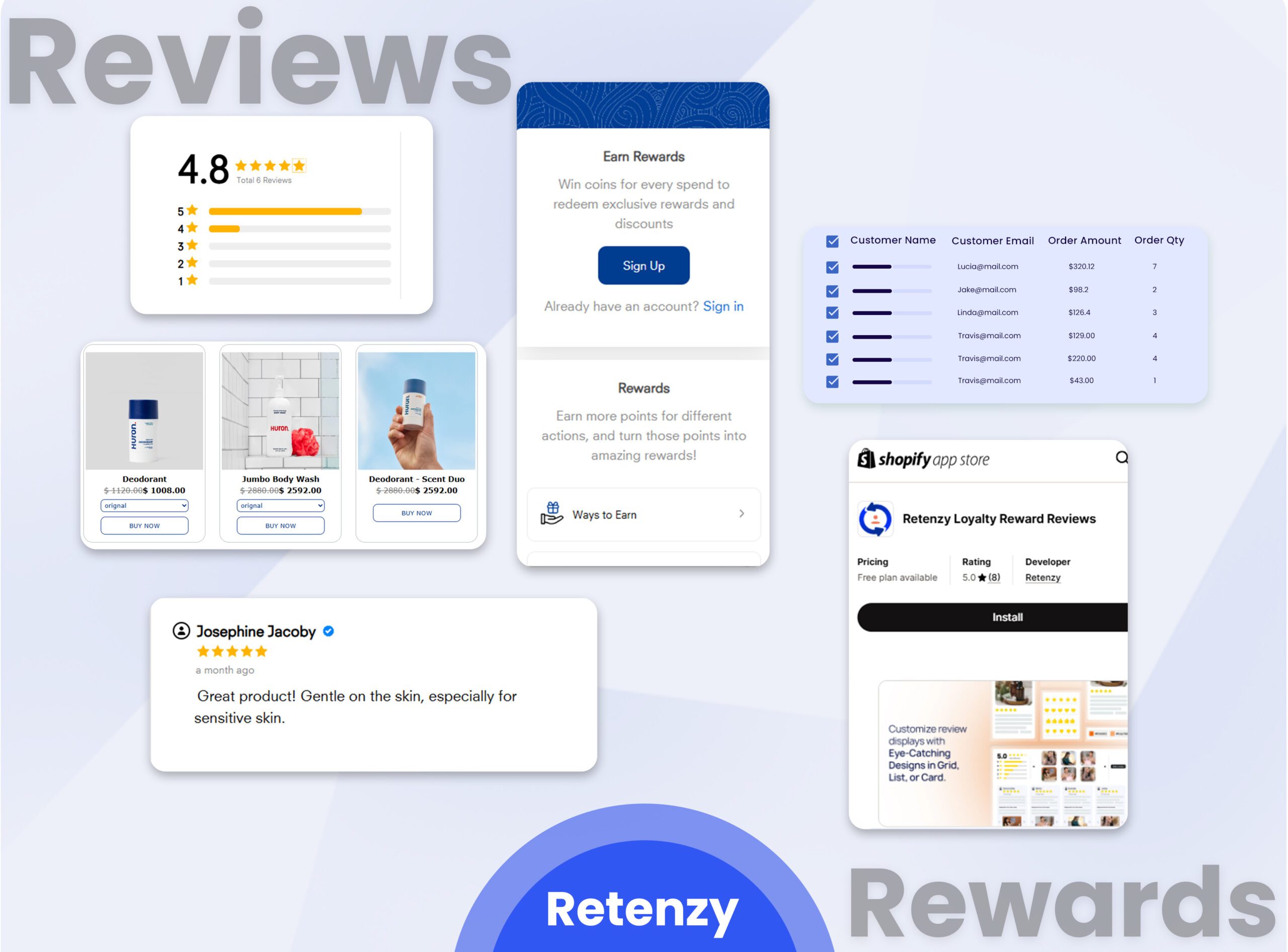
✅ Retenzy fixes high RTO, low repeats, poor communication, and rising CAC with an all-in-one retention platform.
✅ Leading brands like Mamaearth, BoAt, and Nykaa showcase success by mastering retention, lean ops, and data-driven decisions.
Market Opportunity: Why 2026 Is the Biggest D2C Growth Wave Yet
- Indian D2C market growing at 34.5% CAGR.
- Expected to reach $60B by 2027
- 180M+ online shoppers
- Global D2C market to hit $174.9 billion by 2028
The opportunity is enormous – but so are the challenges.
Let’s dive into the 5 biggest D2C challenges in 2026 and practical solutions for each.
➜ Challenge 1: Building a Strong Online Presence
Why It Matters
D2C brands compete for the same digital shelf space, and with thousands of monthly product launches, visibility becomes increasingly challenging. Brands that don’t rank, don’t get discovered – and eventually lose customers to competitors.
Key Problems in 2026
- Declining organic reach: Social platforms push paid ads more than organic content.
- Ad saturation: Audiences are tired of repetitive ads; attention is shrinking.
- Changing algorithms: TikTok/Instagram favour short-form, making static posts less effective.
- Marketplace competition: Similar products appear side-by-side, reducing differentiation.
- Poor website UX: Slow load + weak design = instant bounce or cart abandonment.
Solutions
✔ Use SEO + Topic Clusters
Create clusters around terms like:
- D2C business challenges
- Direct-to-consumer selling
- Digital Navigation
- How D2C brands grow online
- D2C brand storytelling
This builds topical authority, improving ranking across dozens of keywords.
✔ Build an Omnichannel Content Engine
Turn one idea into multiple formats:
Blogs → Reels → YouTube Shorts → Creator Collaborations
This multiplies reach and reduces dependency on algorithms.
✔ Strengthen Brand Positioning
Make your brand memorable by highlighting:
- Founder’s story
- Sustainability angle
- Ingredient/quality superiority
- Value-for-money promise
This helps customers remember why you are better.
✔ “Gen Z in 2026 prefers shopping from brand-owned stores 42.5% more than marketplaces.”
Using data-backed hooks increases credibility and curiosity.
Case Study: Bombay Shaving Company – Topical Authority & SEO-Driven Growth
The Problem They Solved:
Bombay Shaving Company entered India’s male grooming market with only a 1.3% website conversion rate. They needed organic traffic without massive ad budgets – their solution was topical authority through SEO and content clustering.
- How They Did It:
→ SEO + Topical Authority: They created pillar pages around core topics (beard care, shaving techniques, skincare for men) and built cluster content around subtopics. A pillar on “beard care” connected to clusters like “how to trim a beard,” “beard growth tips,” “best beard oils” – this interconnected structure improved rankings across dozens of keywords.
→ Content Creation & Blogging StrategyThey published high-quality grooming guides, tutorials, and informative articles, positioning the brand as a thought leader. Each blog post was optimised with relevant keywords, internal links, and engaging meta descriptions – driving both organic traffic and establishing credibility.
→ Regional Influencer Collaborations for Topical RelevanceBombay Shaving Company partnered with 6 male creators in Northeast India to create YouTube content around regional grooming preferences.
- Results:
→ 30% website traffic from non-metro cities (vs metro-only before)
→ 1 million+ YouTube views
→ ₹100 crore revenue by 2021
Key Lesson: Build topical authority through interconnected content clusters, not random blog posts. When Google sees comprehensive coverage across dozens of related keywords, you rank higher – reducing CAC and building organic discovery.
Click here to know more about – Bombay Shaving Company: Digital Marketing Case Study.

Global D2C Market Growth Opportunity by Region
➜ Challenge 2: Logistics, RTO & Supply Chain Management
Why It Matters
RTO (Return to Origin) is the largest hidden expense in D2C. Every returned COD order drains margins, increases shipping costs, delays cash flow, and disrupts forecasting.
Key Problems
- Slow delivery = cart abandonment
- Indian RTO rate can touch 25–30%
- Delayed COD remittance affects cash cycles.
- Poor forecasting leads to overstocking or stock outs.
- High last-mile failures due to weak courier performance
- No real-time tracking creates a bad customer experience.
- COD fraud inflates logistics costs
Solutions to Fix Logistics & RTO
✔ Inventory & Demand Forecasting
Use past data, market trends, and automated reorder points.
Tools like Unicommerce, EasyEcom, and Vinculum reduce stockouts and dead stock.
✔ Multi-Warehouse Fulfilment
Placing inventory closer to buyers improves delivery speed and boosts conversion instantly.
✔ RTO Management
RTO is a profit killer in D2C. Most RTO cases happen due to fake addresses, COD impulse purchases, customer unavailability, and lack of follow-up.
How to Reduce RTO by 30–45%:
- 1️⃣ Pre-Shipment Confirmation
Send WhatsApp/SMS/IVR prompts to ask customers to confirm their orders.
→ Cuts fake orders by 20–30% - 2️⃣ AI Address Correction
Fixes pincode errors, missing areas, and wrong landmarks.
→ Reduces delivery failures. - 3️⃣ COD → Prepaid Nudges
Offer ₹50 off, free shipping, or points to encourage users to switch to prepaid.
→ Lowers RTO drastically. - 4️⃣ Customer RTO Scorecard
Block high-risk users who repeatedly refuse delivery. - 5️⃣ Courier Performance Monitoring
Track courier-level success, fake “customer refused” tags, and route-wise issues.
→ Helps switch to better-performing partners.
A tight RTO strategy can convert a loss-making D2C brand into a profitable one within months.
Brand example to master the solution-
BoAt + GoKwik Collab– COD Blocking for High-Risk Orders
- The Problem They Solved:
BoAt needed to expand COD serviceability to Tier 2/3 cities (where most D2C growth is happening) without suffering massive RTO losses from fake accounts and impulsive COD buyers.
- How They Did It:
→ Behavioural Risk Profiling: GoKwik’s ML models analysed shopper behaviour to identify high-risk transactions that had a high probability of becoming RTO.
→ COD Captcha & Confirmation Prompts: Added friction for suspicious orders through verification layers like COD confirmation messages via WhatsApp/SMS.
→ Prepaid Nudges: Offered incentives to shift customers from COD to prepaid, reducing RTO exposure.
- Results:
→ 32% drop in RTO rate
→ 4X increase in COD gross merchandise value
→ GoKwik helped brands save ₹130 Cr in RTO losses in 2023 alone
Key Lesson: Expanding COD doesn’t have to mean increasing RTO. Risk-based interventions at checkout can protect margins while serving cash-loving customers.
➜ Challenge 3: Soaring CAC, Retention & Loyalty
Why It Matters
CAC keeps rising each year, making new customer acquisition expensive, while existing customers continue to drive the majority of repeat revenue and long-term profit.
Key Stats (Explained Simply)
- CAC is increasing 25–30% YoY, making growth harder.
- Beauty brands now spend ~$61 to acquire one customer.
- 20% of customers generate 80% of revenue, showing how powerful retention is.
- Returning customers buy 60–70% more often, improving LTV.
Solutions
✔ Build a Strong Loyalty Program
Reward customers for purchases, referrals, UGC, and reviews to create continuous engagement.
This keeps users inside your ecosystem and increases repeat purchases.
✔ Personalisation at Scale
Use AI to personalise homepages, offers, bundles, and notifications based on behaviour.
This improves conversions and boosts AOV naturally.
✔ Post-Purchase Journey
Send tutorials, care instructions, and WhatsApp reminders that guide customers after purchase.
Strong post-purchase experience increases LTV and reduces churn.
✔ Referral Loyalty
Turn happy customers into brand promoters.
Referral programs bring high-intent customers at the lowest acquisition cost.
Brand to master: Lenskart – Technology-Driven Retention
- The Problem They Solved:
In the eyewear category, online conversion was challenging because customers wanted to see how frames looked on them before committing. High return rates and customer hesitation were driving up acquisition costs.
- How They Did It:
→ AI-Powered Virtual Try-On: Developed 3D AI technology that lets customers “try” glasses using live video or uploaded photos. The system analyses facial features and suggests frames that complement individual face shapes.
→ Personalised Recommendations: AI algorithms analyse customer preferences, past purchases, and facial features to provide tailored suggestions, with 70% of purchases influenced by these recommendations.
→ 24/7 AI Chatbots: Intelligent chatbots using natural language processing assist customers throughout the buying process, handling high volumes of inquiries efficiently.
Results:
→ Conversion rate improved from 8% to 15%
→ Customer retention increased by 20%
→ Average session duration increased by 40%
→ 60% of users utilise the virtual try-on feature
Key Lesson: Reduce CAC by removing purchase friction. When technology solves customer anxieties (like “Will this look good on me?”), You convert more visitors without spending more on ads.
Click here to know more about Lenskart’s Tech-Driven Strategy.
➜ Challenge 4: Unit Economics & Profitability
Why D2C Brands Fail
Many brands chase revenue growth but ignore contribution margin, RTO, and cash flow.
Without understanding true unit economics, scaling leads to losses instead of profit.
Metrics to Track
- Ideal LTV: CAC ratio = 3:1
- Strong gross and contribution margins
- RTO % and refund % trends
- Retention rate and repeat purchase frequency
Solutions to Improve Profitability
- Optimise packaging to reduce weight and shipping costs.
- Shift customers from COD to prepaid to protect margins.
- Build subscription programs for predictable recurring revenue.
- Reduce discounts and focus on value-driven pricing.
- Increase AOV with bundles and curated kits.
- Build brand communities that improve retention and loyalty.
Profitability isn’t luck – it’s a result of disciplined unit economics.
Brand to master: Warby Parker – Efficient Conversion & Store-Digital Synergy
- The Problem They Solved
Warby Parker entered the eyewear market dominated by vertically integrated optical giants like Luxottica. The category presented a unique challenge: eyewear has low purchase frequency (consumers buy glasses once every 2-3 years), meaning the repeat purchase rate is inherently low compared to FMCG or fashion. This made unit economics appear broken – if CAC must be recouped on the first transaction alone because repeat purchases are rare, how do you build a sustainable D2C business?
- How They Did It
→ First-Purchase Profitability: Warby Parker engineered their unit economics so that each customer becomes profitable on their FIRST purchase at the contribution margin level (revenue minus variable costs, excluding marketing). This meant CAC could be recouped immediately, and any repeat purchases became pure profit.
→ Virtual Try-On & Low-Friction Onboarding: Launched Home Try-On program allowing customers to order 5 frames at home for free and keep them for 5 days. This removed the primary barrier to online eyewear purchase (“Will these look good on me?”) and dramatically improved conversion rates.
→ Store-Digital Synergy: Built ~500 physical stores that serve as brand billboards and conversion tools. Store visitors later purchase online. This omnichannel strategy increased customer lifetime value for those using both channels.
→ Managed CAC under $40: Maintained disciplined customer acquisition costs through efficient digital marketing and word-of-mouth, crucial for first-purchase profitability.
- Results
→ PAV (Post-Acquisition Value) to CAC Ratio: 2.3x–3.2x: For cohorts acquired in mid-2021, the estimated post-acquisition value per customer was $70–121 in profit after CAC, implying marketing ROI of 126–219%.
→ 50% Repeat Purchase Rate: Achieved 50% of customers returning for additional purchases despite the low purchase frequency inherent to eyewear.
→ 2.33 Million Active Customers: Scaled to a significant size without burning capital.
→ Path to Profitability: Net loss improved from -$110M (2022) to -$63M (2023) to approximately -$20M (2024), on track for full-year profitability by 2025–2026. Adjusted EBITDA reached $52.4M in 2023 (7.8% margin).
→ Strong Balance Sheet: $216.9 in cash, no debt, access to $120M credit line.
Key Lesson: Design for first-purchase profitability when repeat frequency is low. By ensuring each customer became profitable on their initial transaction before accounting for repeat buys, Warby Parker solved the paradox of low-frequency categories. Store-digital integration became a retention and LTV multiplier.
➜ Challenge 5: Technology & Automation
Why It Matters
In 2026, technology forms the core of every scalable D2C brand.
Automation reduces human error, speeds up operations, improves accuracy, and creates a smooth customer experience.
Where Tech Makes the Biggest Impact
- Automating repetitive marketing workflows
- Predicting demand and improving inventory accuracy
- Managing orders in real time with OMS/WMS
- Delivering AI-powered recommendations that boost AOV
- Running WhatsApp and email drip campaigns automatically
- Automating loyalty and reward systems
- Using dashboards to unify data for faster decisions
Key Technologies to Adopt
✔ 1. Marketing Automation
Tools like WebEngage, MoEngage, and Klaviyo automate segmentation, cart-recovery flows, and win-back journeys.
This increases retention and reduces CAC over time.
✔ 2. Order Management System (OMS)
A strong OMS syncs inventory across channels, allocates the correct warehouse, and auto-assigns couriers.
This reduces errors and speeds up fulfilment by 30–40%.
✔ 3. Personalization Engines
AI personalises homepages, search results, recommendations, and offers for each customer.
This pushes AOV up by 10–25% and increases conversion.
✔ 4. Supply Chain Automation
Predictive analytics automates restocking and improves inventory accuracy, preventing stockouts or overstock issues.
✔ 5. Modern D2C Ecommerce Stack
Using Shopify, WooCommerce, headless commerce, or PWAs ensures faster load times, smoother mobile experience, and lower drop-offs.
✔ 6. AI-Powered Tools
Use AI for content creation, review moderation, fraud detection, sentiment analysis, and inventory forecasting.
This cuts manual workload and improves decision-making across the business.
Case Study 2: Purplle – Machine Learning for Inventory Prediction & Trend Forecasting
- The Problem They Solved:
As India’s leading beauty e-tailer (1000+ brands, 50,000+ SKUs), Purplle faced classic inventory challenges: predicting which products would sell well months in advance without overstocking slow movers. Traditional market research methods were expensive and slow. The company also needed to launch private-label products that actually resonated with customers rather than guessing based on trends.
- How They Did It:
→ Beauty Intelligence Suite:
Developed a proprietary machine learning engine that crawls the web – Amazon, Sephora, Instagram, YouTube, Google – to identify emerging beauty trends before they go mainstream. The system analyses consumer conversations and search patterns to detect supply gaps.
→ Predictive Sales Modelling:
Built AI models trained on historical purchase data to forecast unit sales per month for any product at a specific price point and quality level. This removed guesswork from new product launches.
→ 100K+ Keyword Recognition for Personalisation:
Trained ML algorithms to understand and apply 100,000+ keywords in beauty, allowing hyperpersonalized product recommendations based on browsing history, purchase patterns, and customer personality traits.
→ Data-Backed Product Development:
Shifted from opinion-driven product decisions to data-driven decisions. For every new product, data science teams analysed market trends, competitor offerings, and customer demand to predict success probability before investing in inventory.
→ In-House Brand Scaling:
Applied these insights to launch proprietary brands – notably Good Vibes, which reached ₹1.5 billion (₹150 crore) in annual revenue without relying on external brand partnerships.
- Results:
→ In-house brand Good Vibes: ₹1.5 billion in revenue
→ 70–80% of total revenue from Tier 2 and Tier 3 cities, proving AI-driven inventory decisions work across geographies
→ Reduced stockouts and overstock issues through predictive analytics
→ Faster new product launch cycles backed by real data instead of assumptions
→ Category-wide market intelligence enabling competitive edge
Key Lesson:
AI for inventory is AI for confidence. Instead of buying market research reports, Purplle built proprietary AI that continuously monitors what customers want before they even know it themselves. This “predict tomorrow’s bestsellers today” approach reduced product risk and scaled private label revenue to ₹1.5B – a playbook every D2C brand can learn from.
Takeaway
D2C brands that adopt automation in 2026 scale faster, run leaner, and deliver superior customer experiences, gaining a long-term competitive edge.

D2C Success Factors and Strategic Priorities
Case Studies: Indian D2C Brands Winning in 2026
India’s D2C landscape has shifted from discount-driven customer acquisition to profitable, retention-focused growth. These top brands show how India’s best solved CAC, RTO, logistics cost, and slowing organic reach.
1. Mamaearth: CAC Efficiency, Community Validation & Hybrid Retail
a) CAC Reduction Through Influencer Storytelling
- Mamaearth relied heavily on micro-influencers and mom creators, who offered authentic reviews at a low cost.
- Founder-led content explained ingredients, brand purpose, and safety, improving trust instantly.
- Long-format YouTube and Instagram videos built a deeper emotional connection.
- Real customer testimonials gave strong social proof, pushing conversions up.
Impact: CAC dropped significantly as brand trust replaced paid-ad dependency.
b) Community-Driven Product Validation
- Mamaearth runs regular surveys in parent communities to understand real needs.
- They test fragrance, texture, and packaging with early users before large-scale production.
- Continuous feedback cycles ensure products match consumer expectations.
Impact: Higher product–market fit → fewer returns → stronger repeat customers.
c) Strong Offline + Online Hybrid Model
- Expanded fast into pharmacies, beauty stores, and hypermarkets where their TG already shops.
- Their exclusive brand outlets (EBOs) strengthened brand identity and discovery.
- Offline sales reduced delivery costs and improved last-mile efficiency.
Impact: Better margins + stronger presence + consistent customer experience.
Mini Loop:
Influencers → Trust → Lower CAC → Community Input → Better Products → Repeat Purchases → Scale
2. BoAt: Category Leadership via Manufacturing, Retail & Lean Logistics
a) Manufacturing Optimisation
- BoAt shifted large parts of production to India-based assembly partners like Dixon.
- Building local supplier relationships cuts import delays and dependency on China.
- Local sourcing reduced component and assembly costs by 10–20%.
Impact: Higher margins and faster production cycles.
b) Aggressive Omnichannel Retail
- Expanded into Croma, Reliance Digital, Vijay Sales, and airport stores.
- Introduced experience zones where customers could test sound quality before buying.
- Offline presence encouraged impulse buying, especially for new launches.
Impact: Higher conversions + reduced returns due to better product understanding.
c) Lean Logistics for Cost Efficiency
- Built regional fulfilment centres to deliver faster and cheaper.
- Predictive forecasting improved inventory placement and reduced stockouts.
- Smart packaging lowered volumetric weight, reducing shipping charges.
Impact: Lower RTO, fewer delays, smaller ops bill.
Mini Loop:
Local Manufacturing → Lower COGS → Omnichannel Reach → Lower Returns → Lean Logistics → Higher Profitability
3. Nykaa: Content Engine + Community Trust + Dual Business Model
a) Content + Commerce Flywheel
- Nykaa produced massive helpful content: tutorials, reels, masterclasses, beauty advisors, and Nykaa TV.
- SEO-rich blogs captured high-intent organic traffic from beauty searches.
- In-app guides and WhatsApp advice created a personal beauty assistant experience.
Impact: Lower CAC because customers came through content, not ads.
b) High Repeat Purchase Engine
- Nykaa’s Prive program, Beauty Wallet, and personalised recommendations keep users engaged.
- App reminders push replenishment purchases right when customers run out.
- Category-based cross-selling increases basket size and repeat frequency.
Impact: Nykaa enjoys one of India’s strongest repeat purchase rates.
c) Marketplace + Private Label Hybrid Model (Explained Simply)
1️⃣ Marketplace Engine
- Sells top beauty brands like L’Oréal, MAC, Huda, and Maybelline.
- Big brands drive massive traffic, credibility, and commissions.
- Brand partnerships bring exclusive launches that customers can’t find elsewhere.
Outcome: High traffic + wide catalogue = more customer acquisition.
2️⃣ Private Label Engine
- Nykaa’s in-house brands (Cosmetics, Kay Beauty, Naturals) have 60–70% margins.
- Customers often switch to Nykaa’s products after discovering them on the app.
Outcome: High profitability and strong brand loyalty.
Why It Works
- Marketplace attracts the audience.
- Private label captures the profit.
- Content fuels the discovery of both.
Mini Loop:
Marketplace Traffic → Private Label Cross-Sell → Higher Margins → Content Investment → More Traffic
Average Customer Acquisition Cost (CAC) by D2C Industry in 2025
The Future of D2C in 2026 Belongs to Brands That Adapt Fast
2026 is no longer the era of easy growth for D2C brands – it’s the era of smart, efficient, and profitable growth. The brands that win aren’t the ones spending the most on ads, but the ones who master retention, reduce RTO, automate operations, build strong unit economics, and create a seamless customer experience across every touchpoint.
As Mamaearth, BoAt, and Nykaa have shown, sustainable scale comes from three things:
Lean operations, data-backed decisions, and consistent customer engagement.
If your brand can strengthen these pillars, you’re already ahead of 90% of the market.
But to operate at this level, you need more than strategy – you need the right technology driving your growth engine.
Ready to Turn Your D2C Brand Into a Retention Powerhouse? Meet Retenzy.
Most D2C brands don’t fail due to a lack of demand – they fail because they leak revenue through:
❌ High RTO
❌ Low repeat purchases
❌ Poor customer communication
❌ Rising CAC with no loyalty engine
Retenzy fixes all of that in one platform.
Why 2026 D2C Brands Choose Retenzy
➜ Because growth without retention is just expensive traffic.
➜ Because profitability without automation is impossible.
➜ Because customers in 2026 don’t just buy products – they buy experiences.
Want to Scale Like Mamaearth, BoAt & Nykaa?
Start Your Retenzy Growth Journey Today.**
Click here to explore Retenzy →