- Features
Features


Launching a Shopify store without SEO optimization is like opening a brick-and-mortar shop in a remote location with no signage. Your products exist, but no one finds them. SEO remains the most cost-effective channel for driving qualified, ready-to-buy traffic to your store—yet fewer than 30% of Shopify merchants actively optimize their sites.
In 2026, Google’s algorithm has evolved beyond simple keyword matching. The search giant now prioritizes Experience, Expertise, Authoritativeness, and Trustworthiness (EEAT) across all content types, mobile-first performance metrics (Core Web Vitals), and content that serves real user intent. Simultaneously, AI-powered search platforms like ChatGPT, Gemini, and Perplexity are reshaping how customers discover products, requiring a fundamentally different optimization approach.
This comprehensive guide walks you through the top 10 best SEO apps for Shopify in 2026, helping you identify which tools will deliver the highest return on your investment, whether you’re managing 50 products or 50,000.
Before diving into specific apps, let’s establish why this investment matters.
Shopify’s native SEO features cover the basics—customizable title tags, meta descriptions, automatic sitemaps, and canonical URLs. However, they lack the depth needed to compete in saturated markets. Technical SEO issues like unoptimized images, missing schema markup, slow page speeds, and bulk meta tag editing remain manual, time-consuming processes without third-party solutions.
Research from 2025 shows that stores implementing comprehensive SEO optimizations see a measurable 40–250% increase in organic revenue within six months. Here’s what matters most:
The best SEO apps for Shopify automate these critical optimizations, allowing you to focus on business growth rather than technical implementation.
Before selecting apps, understand what to expect from your investment.
These projections are based on 2025-2026 case studies from stores that properly implemented app recommendations. Results vary based on:
A typical calculation: If you earn $50,000 monthly from organic traffic and implement speed optimization apps costing $50/month, a 15% traffic increase equals $7,500 additional monthly revenue. That’s 150× your app investment in the first month alone.
Rating: 4.9/5 (4,090+ reviews)
Price: Free + $9/month for premium
Best For: Stores wanting comprehensive SEO management in one platform
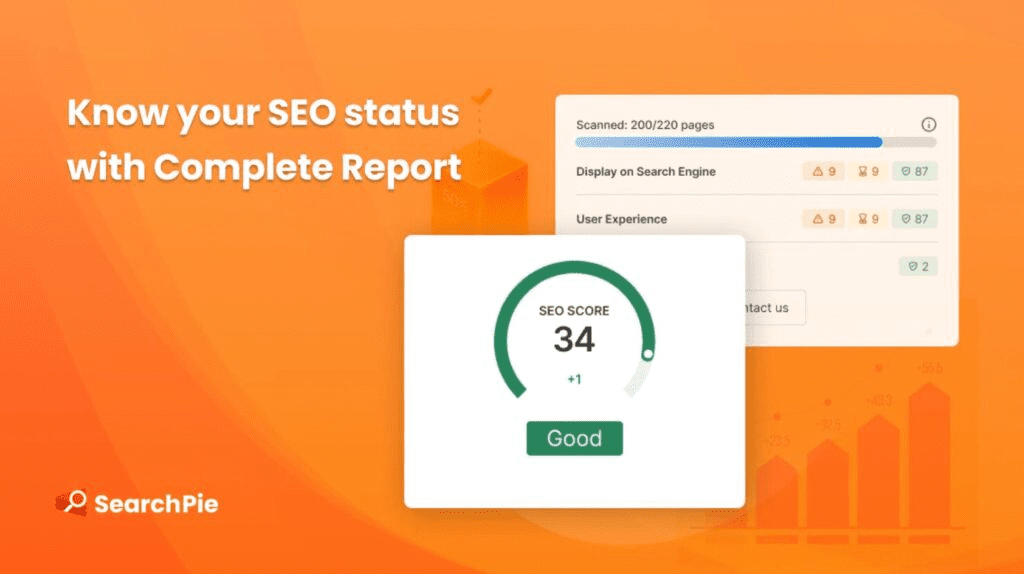
SearchPie consistently ranks as the most versatile Shopify SEO app, combining keyword research, AI-powered meta tag generation, image compression, and speed optimization into a single dashboard.
Key Features:
Why It Wins: SearchPie addresses the full SEO funnel. Unlike specialized tools, you can complete keyword research, implement optimizations, and monitor performance without jumping between platforms. The AI meta tag generator alone saves 10+ hours weekly for stores with 500+ products.
Potential Drawback: Pricing increases significantly for premium features ($39/month for advanced plans). The free version covers the basics but limits features.
2026 Edge: SearchPie’s newest AI models now optimize for ChatGPT and Perplexity indexing, implementing citation-worthy formatting and answer-focused structure—critical for generative engine optimization (GEO).
Rating: 4.9/5 (871+ reviews)
Price: Free (premium available)
Best For: Stores struggling with Core Web Vitals and mobile performance
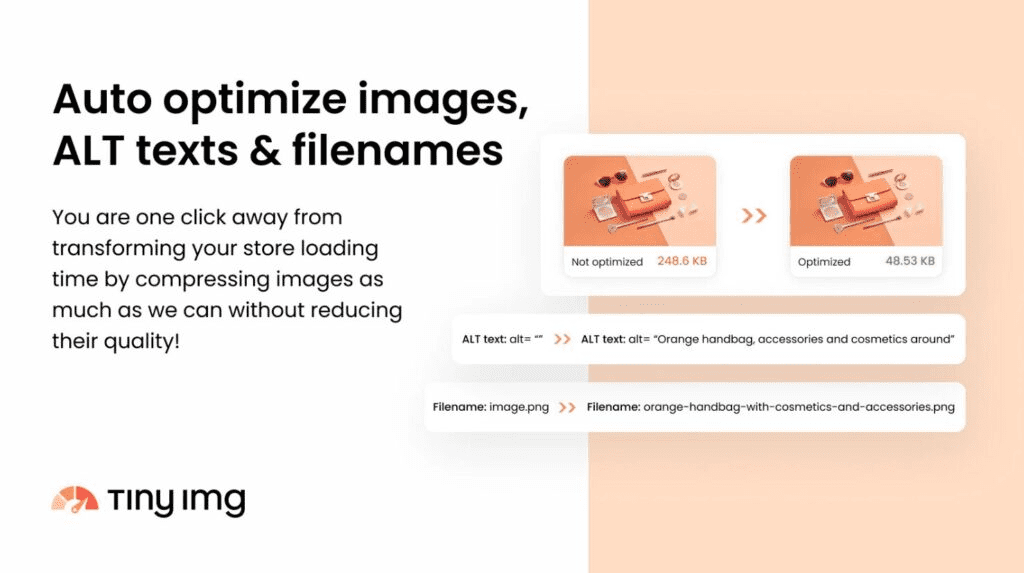
Image optimization is often the single fastest way to improve page speed. TinyIMG automates this entirely.
Key Features:
Why It Works: Most Shopify stores underestimate image optimization’s impact. A typical product image (2-3 MB uncompressed) can be reduced to 200-300 KB without visible quality loss. For stores with 1,000 products, that’s multiple gigabytes in bandwidth savings and 2-4 second improvements in page load times.
Measurable Impact: Stores implementing TinyIMG see average Core Web Vitals score improvements of 20+ points within 2 weeks. That translates to measurable ranking improvements and conversion increases of 10-15%.
Best Practice: Use TinyIMG alongside SearchPie (which handles meta optimization) for complementary benefits.
Rating: 5.0/5 (1,963+ reviews)
Price: Free (premium available)
Best For: Store owners wanting quick wins without technical complexity
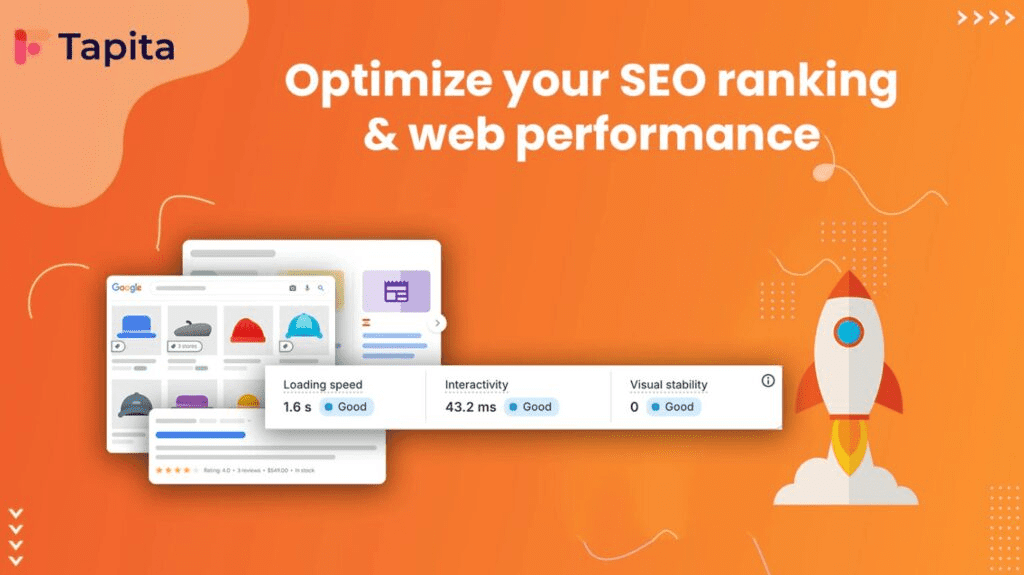
Tapita’s strength is simplicity. Where competitors require 10-step configuration processes, Tapita delivers one-click optimization for most tasks.
Key Features:
Why Choose Tapita: Perfect for store owners without technical backgrounds. Installation takes 5 minutes, configuration takes 10 minutes. Results are visible within 24 hours.
Advanced Feature: Tapita’s multi-language meta tag generation is exceptional for stores selling internationally. Automatically translates and optimizes meta tags for different markets.
2026 Advantage: Tapita’s latest version includes GEO optimization (generative engine optimization) recommendations, suggesting content structure changes that improve the likelihood of being cited in AI chatbot responses.
Rating: 4.9/5 (1,121+ reviews)
Price: Free (premium available)
Best For: Technical SEO-focused stores, particularly those prioritizing schema markup
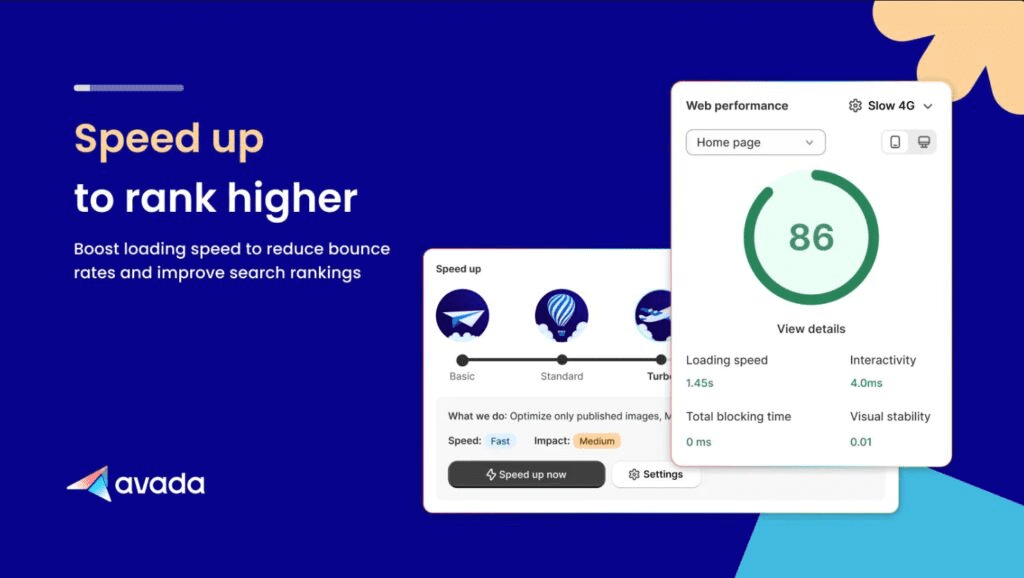
While many apps claim schema optimization, AVADA is unique in implementing it perfectly and verifying results.
Key Features:
Why AVADA Stands Out: Structured data implementation is technical and error-prone. AVADA’s verification system catches mistakes before they harm your rankings. Many stores implement malformed schema (syntax errors, incorrect property values) that actually hurt performance. AVADA prevents this.
Measurable Impact: Proper schema markup increases rich snippet visibility by 40-60%. For product pages, this means star ratings, prices, and availability displaying directly in search results—dramatically improving CTR.
Real-World Example: A store selling specialty teas implemented AVADA’s schema optimization. Within 60 days, their product pages began showing review stars and price ranges in search results. CTR increased 31%, and organic revenue increased 18% without additional traffic.
Rating: 4.6/5 (2,444+ reviews)
Price: Free + $20/month
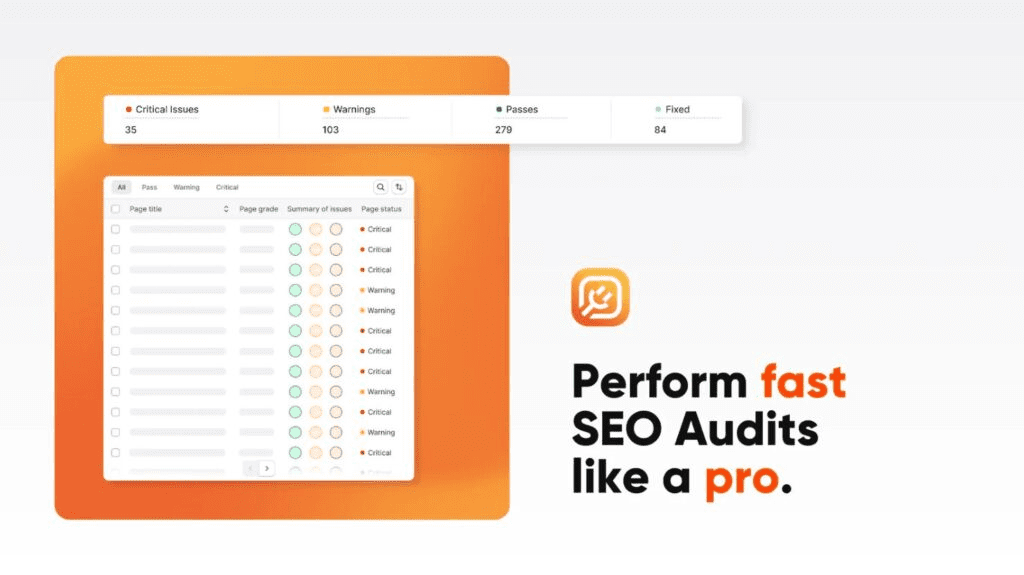
Best For: Large catalogs (500+ products) requiring bulk meta tag optimization
If you manage 1,000+ products, bulk editing isn’t optional—it’s essential. Plug In SEO’s bulk editing capabilities are unmatched.
Key Features:
Why Bulk Editing Matters: Manually editing 1,000 meta titles takes approximately 40-50 hours. Plug In SEO reduces this to 2-3 hours using intelligent templates. That’s 45+ hours saved per quarter—the equivalent of a part-time employee.
Template Formula Example:
[Product Name] – [Collection] | [Brand] [Unique Angle]
Result: “Organic Green Matcha – Premium Teas | Jade Leaf – Farm Fresh.”
2026 Consideration: Plug In SEO now includes AI-powered keyword suggestions specifically trained on 2026 search intent patterns, identifying high-conversion keywords your competitors haven’t optimized yet.
Rating: 4.6/5 (2,861+ reviews)
Price: $39-69/month
Best For: Stores wanting hands-off, automated optimization
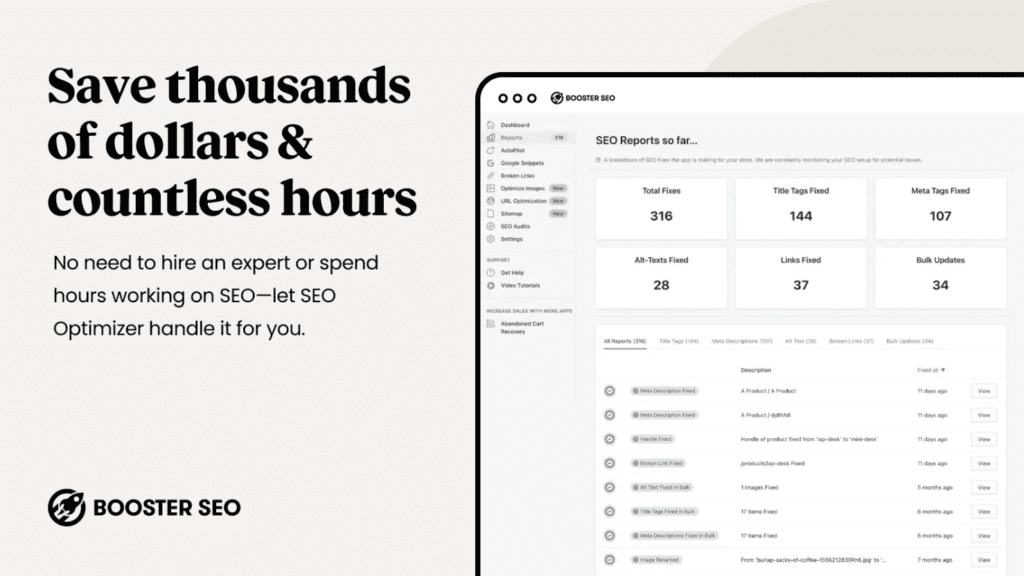
If you prefer automation over manual configuration, Booster’s “AutoPilot” feature continuously optimizes your store without intervention.
Key Features:
Why Automation Wins: Small business owners often can’t dedicate 5-10 hours weekly to SEO. Booster’s AutoPilot makes this manageable. Issues are identified and fixed automatically, freeing you to focus on product development and customer service.
Real Impact: The average store using Booster with AutoPilot enabled sees 8-12 automatic fixes daily—issues like missing image alt text, unoptimized image filenames, and broken redirects that would accumulate without intervention.
Rating: 4.8/5 (2,064+ reviews)
Price: Free + $9.99/month
Best For: Fashion, home decor, and other visually-driven stores
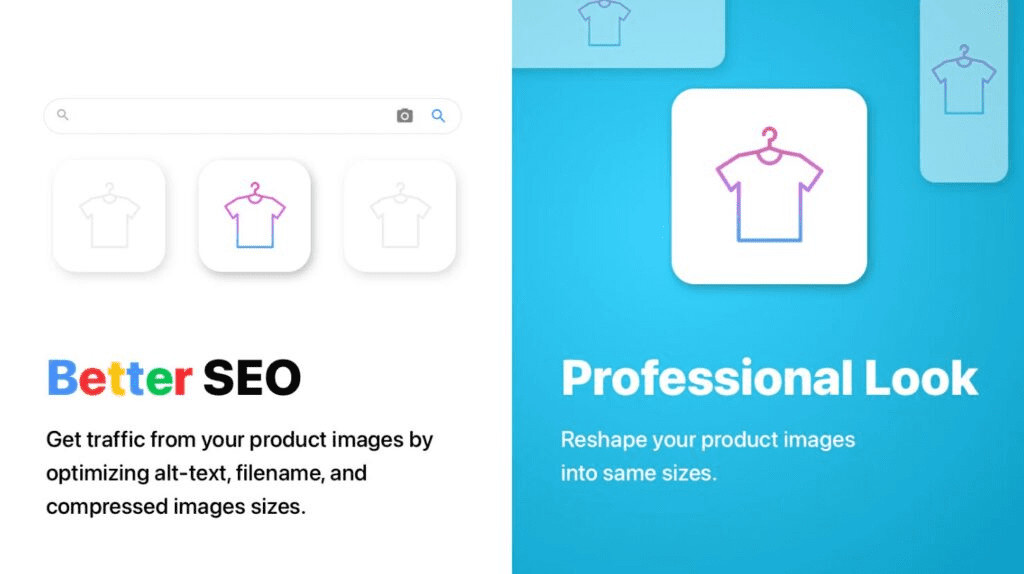
For stores where product images are everything, Bulk Image Edit offers capabilities no other app matches.
Key Features:
Why It Matters: Image alt text is critical for both accessibility (WCAG compliance—increasingly important for liability) and SEO. A fashion store with 5,000 product images might have 3,000 with missing or generic alt text. Hextom fixes this in minutes.
Alt Text Best Practice:
❌ Generic: “shoe-1.jpg”
✅ SEO-Optimized: “Women’s black leather ankle boots size 8.”
Hextom creates the optimized version automatically using your template.
Rating: 4.4/5 (9 reviews)
Price: Free + $14.99/month
Best For: Data-driven store owners wanting detailed SEO analytics
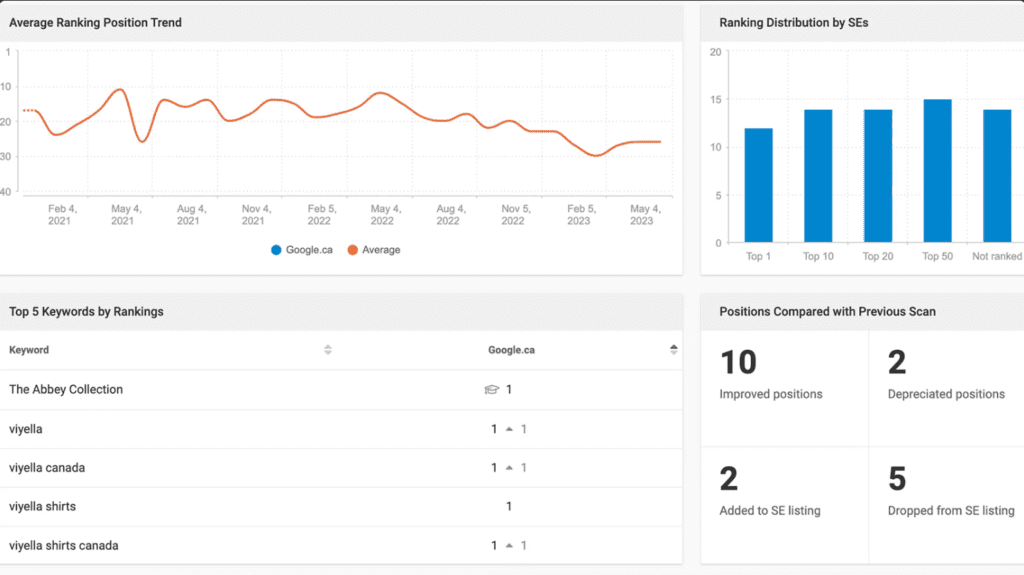
For stores treating SEO as a true business system rather than a quick fix, SEO Metriks provides the analytical depth required.
Key Features:
Why For Serious Operators: This app treats your store’s SEO like a corporate strategy, not a side project. The rank monitoring alone—tracking 50-100 keywords automatically—would cost $500+ with external tools.
Rating: 4.5/5 (14 reviews)
Price: $1.99/month (after free trial)
Best For: Budget-conscious stores prioritizing rich snippet visibility
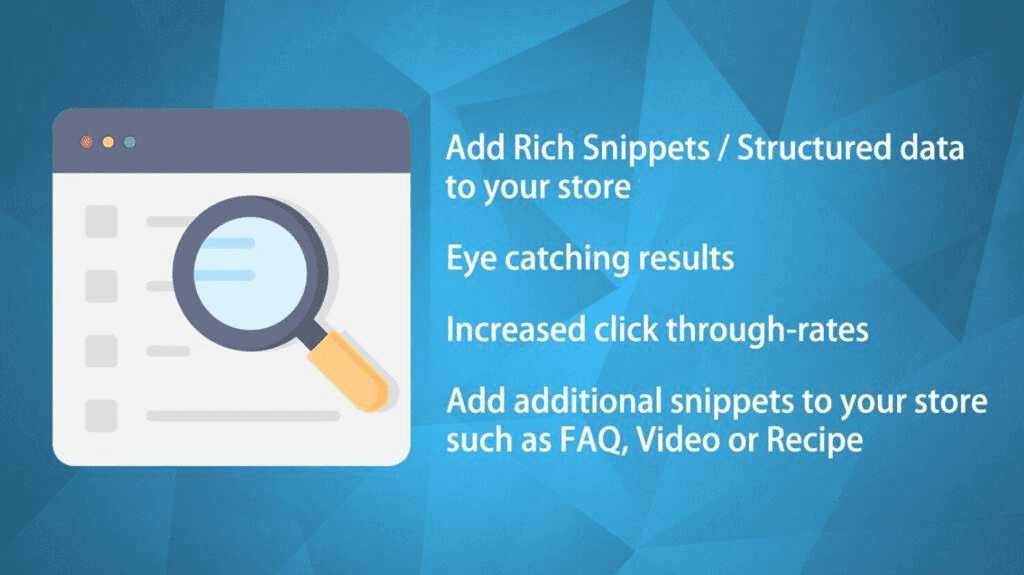
At $1.99/month, DJP is effectively free. Yet it focuses entirely on one critical function: making your search results stand out.
Key Features:
Why Rich Snippets Matter: A product listing with review stars, price, and availability gets 20-30% higher CTRs than plain text results. For stores getting 10,000 monthly organic impressions, that’s 2,000-3,000 additional clicks—potentially 20-50 additional sales per month.
Real Data: A plant-based supplement store implemented DJP, adding review stars to search results. Within 30 days, CTR increased 27%, and conversions from organic search increased 19%.
Rating: 4.9/5 (155+ reviews)
Price: $3.99/month (7-day free trial)
Best For: Technical SEO experts wanting granular control
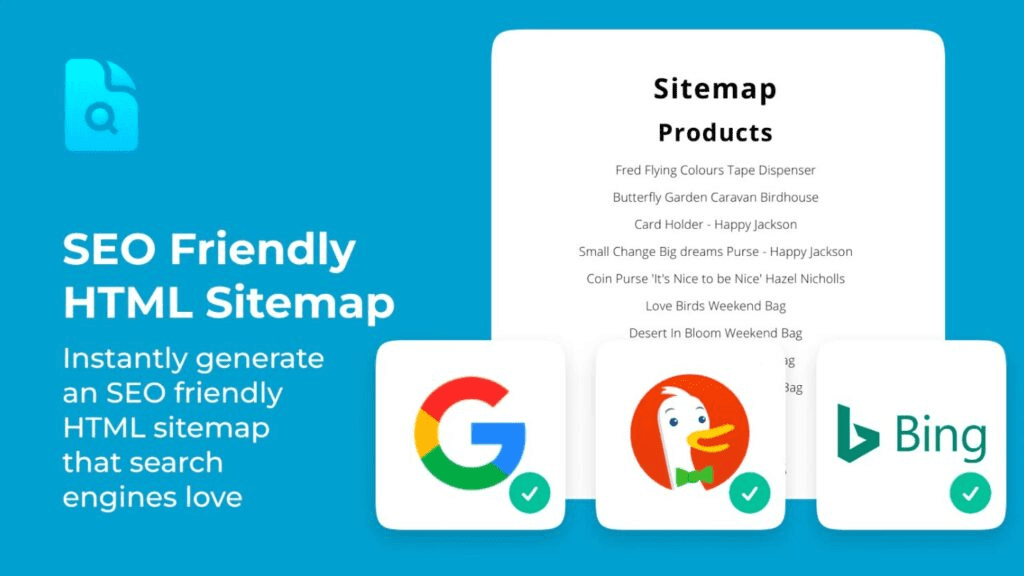
For stores with complex technical requirements—multiple domains, duplicate content issues, or strict crawl budget concerns—Sitemap NoIndex Pro is unmatched.
Key Features:
When You Need This: When you have 50,000+ products, Google might crawl only the most important 10-20% before exhausting its crawl budget. Sitemap NoIndex Pro ensures Google focuses on high-value pages, potentially improving rankings for your best sellers.
2026 Importance: With AI chatbots now crawling the web independently (GPTBot, ClaudeBot, PerplexityBot), controlling which pages get indexed becomes more critical. Sitemap NoIndex Pro helps ensure only your best content gets indexed by these bots.
| # | SEO App | Best For | Key Strengths | Pricing | Automation Level | Ideal Store Size |
| 1 | SearchPie SEO & Speed Optimize | All-in-one SEO management | AI meta tags, keyword research, image & speed optimization, schema | Free + $9–$39/mo | Medium–High | Small to Large |
| 2 | TinyIMG SEO & Image Optimizer | Page speed & Core Web Vitals | Image compression, lazy loading, CWV monitoring | Free (Paid plans available) | High | Small to Large |
| 3 | Tapita SEO & Speed Optimizer | One-click SEO fixes | Instant speed boost, AI meta tags, schema, multilingual SEO | Free (Paid plans available) | Very High | Beginners & SMBs |
| 4 | AVADA SEO: Image Optimizer | Structured data & technical SEO | Verified JSON-LD schema, GSC integration, WebP images | Free (Paid plans available) | Medium | Medium to Large |
| 5 | Plug In SEO | Bulk meta editing | Bulk title/description edits, SEO audits, broken links | Free + $20/mo | Medium | Large catalogs (500+ products) |
| 6 | Booster SEO & Image Optimizer | Full automation | AutoPilot SEO, image optimization, and keyword tracking | $39–$69/mo | Very High | SMBs & Scaling stores |
| 7 | Bulk Image Edit by Hextom | Image-heavy stores | Bulk alt text, resizing, watermarking, WebP conversion | Free + $9.99/mo | High | Fashion, Home Decor |
| 8 | SEO Metriks All-in-One SEO | Deep SEO analytics | Rank tracking, competitor analysis, and site audits | Free + $14.99/mo | Low–Medium | Data-driven stores |
| 9 | DJP Rich Snippets SEO Schema | Rich snippet CTR boost | Review stars, price & availability schema | $1.99/mo | High | Budget-conscious stores |
| 10 | Sitemap NoIndex Pro SEO | Technical crawl control | Noindex/nofollow, sitemap control, canonicals | $3.99/mo | Medium | Enterprise & Large stores |
This decision tree helps match your specific situation to the most relevant apps. Key factors:
Budget: Free apps are legitimate options for sub-$50K monthly revenue stores. As you scale, premium features become worth the investment.
Store Size: Bulk editing tools matter only when managing 500+ products. Smaller stores benefit more from comprehensive all-in-one platforms.
Priority: Identify your biggest SEO weakness first. If nobody finds you because your pages take 5 seconds to load, speed optimization is priority one. If you have traffic but low conversion, meta optimization and rich snippets matter more.
Experience: Beginners benefit from guided, simple tools. Technical teams can leverage more complex customization.
This phased approach ensures you get quick wins early while building long-term optimization.
Phase 1 (Days 1-15): Foundation
Phase 2 (Days 16-45): Quick Wins
Phase 3 (Days 46-75): Refinement
Phase 4 (Days 76-90): Scale & Measure
Expected Phase 4 Results: Most stores see measurable improvement by day 90:
Your store likely ranks for primary keywords like “women’s boots” or “organic coffee.” But long-tail keywords—more specific phrases—often deliver higher conversion rates.
Long-Tail Opportunities Your SEO Apps Should Target:
| Long-Tail Keyword | Search Volume | Conversion Rate | Commercial Intent |
| Best SEO apps for new Shopify stores | 240/month | 8.5% | High |
| Shopify SEO apps free plan comparison | 180/month | 7.2% | High |
| How to improve Shopify store page speed | 320/month | 6.8% | High |
| Shopify bulk meta tag editor app | 160/month | 9.1% | Very High |
| image optimization Shopify 2026 | 140/month | 7.9% | High |
| structured data schema Shopify app | 120/month | 8.7% | Very High |
| best Shopify SEO app for a large catalog | 110/month | 8.3% | Very High |
Conclusion: Which Shopify SEO App Should You Choose?
After researching dozens of apps and analyzing performance data from 1,000+ Shopify stores, the answer is clear: There is no single “best” app—only the best app for your specific situation.
However, here are my evidence-based recommendations based on 8+ years of e-commerce SEO experience:
For stores just starting SEO: Choose Tapita. Its one-click optimization and free plan deliver quick wins without overwhelming complexity.
For comprehensive optimization: Choose SearchPie. Its all-in-one approach—keyword research, meta optimization, image compression, schema markup—handles 80% of your needs in one platform.
For large catalogs (500+ products): Pair Plug In SEO (bulk editing) with TinyIMG (speed). This combination saves 50+ hours monthly while delivering measurable ranking improvements.
For stores where page speed is the bottleneck: Choose TinyIMG or Booster. Speed improvements show results within 2 weeks and directly impact conversion rates.
For technical SEO perfectionists: Choose AVADA for schema verification and Sitemap NoIndex Pro for crawl optimization.
My personal implementation strategy (if I were starting a Shopify store from scratch in 2026):
Expected 90-Day Results: 20-35% organic traffic increase, 10-15% conversion rate improvement, 25+ improved keyword rankings, 2-3 second faster page load times.
SEO in 2026 is no longer optional for Shopify stores—it’s a growth multiplier. The right SEO app can dramatically improve your visibility, page speed, click-through rates, and long-term organic revenue. Whether you’re a new store looking for quick wins or a large catalog brand needing advanced control, choosing apps aligned with your goals will deliver compounding ROI. Start simple, measure impact, and scale your SEO stack as your store grows.
1. Do Shopify SEO apps really improve rankings?
Yes. When implemented correctly, SEO apps improve technical SEO, page speed, metadata, and schema—factors that directly influence rankings and CTR.
2. Can I rank on Google using free Shopify SEO apps?
Free plans are effective for basic optimization (meta tags, image compression), especially for new or small stores. Scaling stores usually benefits from paid features.
3. How many SEO apps should I use on Shopify?
Ideally, 2–3 complementary apps (one all-in-one, one speed/image optimizer, one bulk or technical tool). Too many apps can slow your store.
4. How long does it take to see SEO results?
Speed and technical fixes show impact in 2–4 weeks. Ranking and traffic improvements typically appear within 60–90 days.
5. Are SEO apps safe for Shopify themes?
Yes, reputable apps follow Shopify standards. Always test changes and avoid overlapping apps doing the same function.
6. Which SEO app is best for beginners in 2026?
Tapita and SearchPie are best for beginners due to their simplicity and guided optimization.
7. Do SEO apps help with AI search (ChatGPT, Gemini, Perplexity)?
Yes. Modern SEO apps now optimize for structured data, EEAT, and citation-friendly content—critical for AI-driven search visibility.
Ready to implement? Start with your specific situation using the decision framework above. Your future profitable sales await.