
8 Simple Ways to Turn First-Time Buyers Into Loyal Customers
Getting a first order is only the beginning. The real challenge is turning that buyer into a repeat customer. This guide covers 8 practical strategies for the post-purchase experience, email sequences, personalization, friction-free reordering, and loyalty rewards, plus the metrics that show whether your retention strategy is actually working, along with common mistakes that quietly push new customers away today.
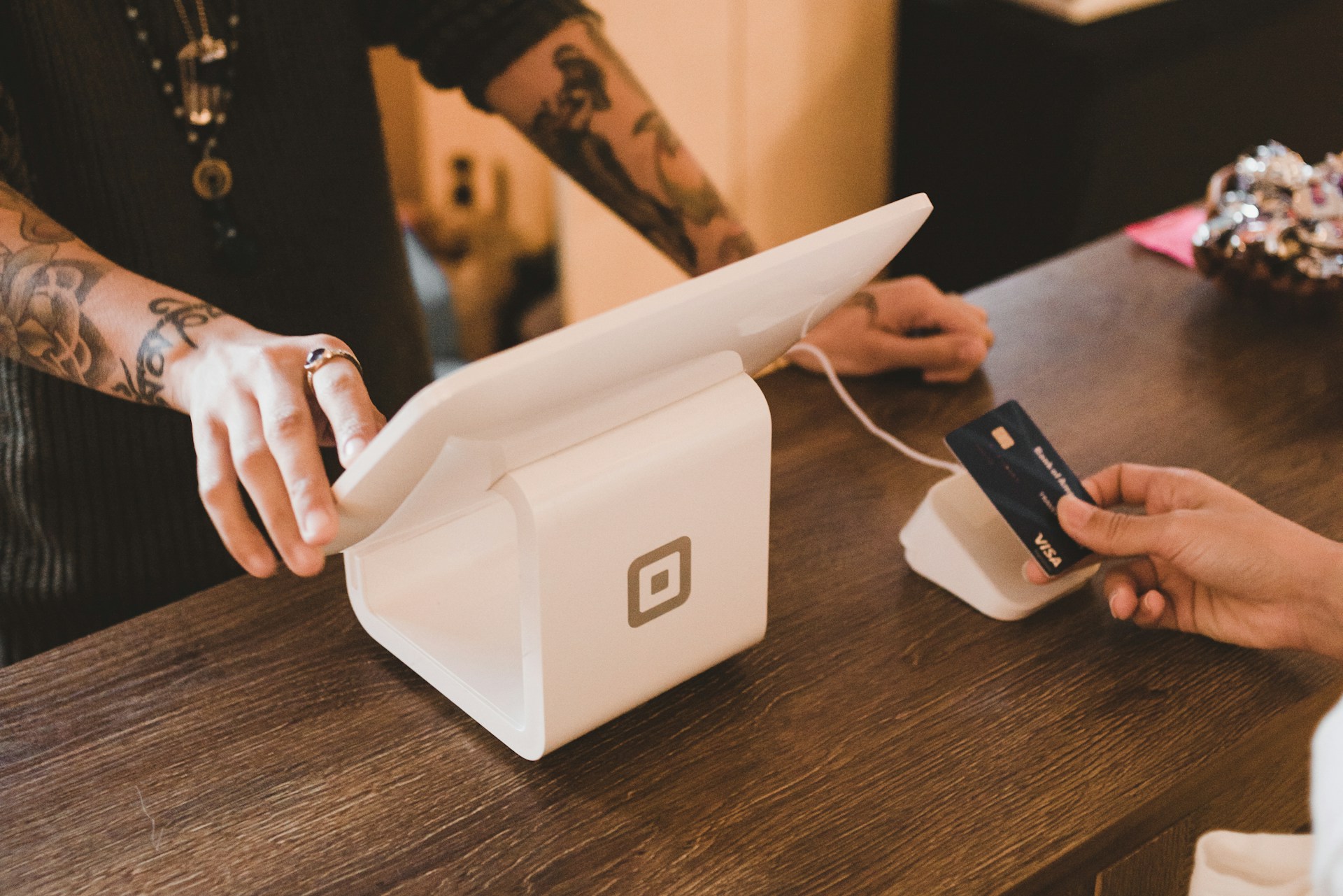
Getting a customer to place their first order is a major step for any ecommerce brand. But the first purchase is not the end of the customer journey. It is the point where a brand gets an opportunity to turn a new shopper into a returning customer. The real challenge is what happens next. Does the customer receive useful support after the order? Do they understand how to get the most from the product? Is there a relevant reason to buy again? Can they easily reorder? Do they have a reason to engage with the brand between purchases? These questions sit at the centre of effective customer retention strategies.
A strong retention strategy does not depend on sending more discounts. It combines the post-purchase customer experience, relevant communication, product recommendations, convenient reordering, loyalty rewards, customer feedback, and timely follow-ups. In this guide, we’ll cover eight practical ways to turn first-time buyers into loyal customers, along with the metrics you can use to understand whether your strategy is actually working.
Why the First Purchase Is Only the Beginning
A first purchase proves that a customer was willing to choose your brand once. It does not necessarily mean they will choose you again. The next objective is to create a positive experience that makes the second purchase feel natural.
A useful way to think about the journey is:
First Purchase → Successful Product Experience → Relevant Follow-Up → Second Purchase → Repeat Engagement → Loyalty → Advocacy
Each stage gives your brand a different opportunity.
For example:
- After purchase: reassure the customer and provide useful information.
- After delivery: help them use the product successfully.
- After product usage: collect feedback or request a review.
- Before the next likely purchase: provide a relevant reminder or recommendation.
- After the second purchase: introduce deeper loyalty benefits.
- As engagement grows: encourage referrals, milestones, or VIP participation.
This matters because ecommerce retention should be measured by customer behaviour over time, not simply by the number of first orders. Shopify’s current ecommerce guidance recommends monitoring metrics such as repeat purchase rate, purchase frequency, customer lifetime value, and retention cohorts to understand whether customers are continuing to buy.
Beyond the First Order: 8 Strategies for Building Customer Loyalty
1. Make the Post-Purchase Experience Count
The customer experience does not end when the payment is processed. For a first-time buyer, the period immediately after purchase can shape their perception of your brand. They may want to know when their order will arrive, how to use the product, what to do if something goes wrong, or where to get help. Start by separating transactional communication from post-purchase marketing.
Transactional communication can include:
- Order confirmation
- Shipping updates
- Delivery notifications
- Return or exchange information
- Customer support information
Post-purchase marketing can include:
- Product-use instructions
- Care or maintenance information
- Educational content
- Review requests
- Relevant product recommendations
- Loyalty invitations
- Replenishment reminders
The objective is simple: help the customer succeed with the product before asking them to buy something else.
For example, a skincare brand could send product-use guidance after delivery, followed later by a reminder about the next product in the customer’s routine. A coffee brand could provide brewing guidance before recommending another blend. A useful post-purchase follow-up should answer:
“What does this customer need next?”
rather than:
“What can we sell them next?”
That difference can make your communication feel helpful instead of purely promotional.
2. Build a Post-Purchase Email Sequence
A first-time buyer has already demonstrated commercial interest in your brand. The next step is to keep the relationship useful without overwhelming them with promotions. One important distinction: a welcome email sequence and a post-purchase email sequence are not necessarily the same thing. A traditional welcome flow is generally triggered when someone subscribes or joins your marketing list. A post-purchase flow begins after an order and can use information about the customer’s purchase to make the communication more relevant.
A simple first-time buyer sequence could look like this:
- Email 1: Thank You and Order Confirmation: Confirm the purchase and explain what happens next. Goal: reassurance.
- Email 2: Product Guidance: Show the customer how to use, maintain, or get more value from the product. Goal: product activation.
- Email 3: Customer Support: Provide answers to common questions and make it easy to contact your team. Goal: reduce uncertainty.
- Email 4: Feedback or Review Request: Allow the customer to share their experience. Goal: engagement and customer feedback.
- Email 5: Relevant Next Step: Recommend a complementary product, replenishment option, loyalty reward, or another useful reason to return. Goal: encourage the second purchase.
The timing should depend on the product. A consumable product may have a relatively predictable replenishment cycle. A mattress, piece of furniture, or long-lasting electronic product may not. Avoid creating a fixed “send another email exactly seven days later” rule for every customer. Instead, use customer behaviour, product type, expected usage, and time since purchase to determine when communication makes sense.
3. Give Customers a Relevant Reason to Make a Second Purchase
The second purchase is an important milestone because it shows that a customer has moved beyond a single transaction. But “Buy Again” is not always a compelling reason to return. Instead, identify the natural reason this customer might need another product. There are four useful second-purchase triggers:
- Replenishment: The customer is likely to run out of the product. Example: skincare, supplements, coffee, pet food, or household consumables.
- Complementary Purchase: The customer bought one product that works with another. Example: cleanser → moisturizer, camera → memory card, coffee machine → coffee beans.
- Product Progression: The customer’s next purchase represents a logical step forward. Example: starter product → advanced product → accessory.
- New or Seasonal Need: A new product, collection, seasonal release, or customer-specific need gives the buyer a fresh reason to return.
The important factor is relevance.
A repeat purchase strategy should use information from the first order rather than showing every customer the same generic promotion.
For example: “You purchased our daily cleanser. Here are two products commonly used alongside it.”
is more useful than:
“20% off everything in our store!”
The objective is not simply to make another sale. It is to make the next purchase logical and valuable.
4. Introduce a Customer Loyalty Program at the Right Moment
A customer loyalty program can give first-time buyers another reason to stay connected with your brand. But a loyalty program should do more than distribute discount codes. The strongest programs connect rewards to behaviours that matter to both the customer and the business.
These could include:
- Making a purchase
- Reaching a purchase milestone
- Writing a review
- Referring a friend
- Joining a membership
- Reaching a VIP tier
- Redeeming accumulated points
For example:
First order → Earn points → Leave a review → Earn more points → Make second purchase → Unlock milestone → Reach VIP tier
This creates a visible progression rather than treating every purchase as an isolated transaction. The economics also matter. If every reward simply reduces the price of an order, the program can become dependent on discounts.
Instead, consider benefits such as:
- Free shipping
- Early access
- Exclusive products
- Points
- Member-only benefits
- Milestone rewards
- Referral benefits
The right reward depends on your margins, product category, purchase frequency, and customer expectations. Shopify currently identifies repeat purchase rate, customer retention rate, customer lifetime value, churn rate, and reward redemption rate as useful loyalty metrics.
5. Personalize Your Post-Purchase Follow-Ups
Not every first-time buyer has the same needs. Someone who purchased yesterday is in a different stage of the customer journey from someone who purchased six months ago. Instead of sending identical messages to everyone, use available customer data to make follow-ups more relevant. Useful segmentation criteria can include:
- Product purchased
- Product category
- Order value
- Time since purchase
- Expected replenishment period
- Purchase frequency
- Customer lifecycle stage
- Email engagement
- Loyalty status
- Previous interactions with customer support
For example, a customer who purchased a particular skincare product could receive usage guidance and a complementary-product recommendation.
A customer who purchased a consumable could receive a replenishment reminder around the expected time they may need more. A customer who has not purchased again after several months could enter a win-back campaign rather than continuing to receive the same new-customer messaging. This is where first-party customer data becomes useful. The goal is not to personalize every sentence. The goal is to make the timing, product recommendation, and message relevant to the customer’s situation.
6. Remove Friction From the Next Purchase
Sometimes customers do not return because the next purchase requires too much effort. If customers have to search through your entire catalog, recreate an account, repeatedly enter information, or work through a complicated checkout, you are creating unnecessary barriers.
Make the second purchase as straightforward as possible.
Consider:
- Reorder links
- Saved customer information
- Clear account access
- Guest checkout where appropriate
- Personalized recommendations
- Simple navigation
- Multiple relevant payment options
- Subscription or replenishment options
- Clear returns and exchanges
- Mobile-friendly checkout
Checkout friction is not a small issue.
Baymard Institute’s current research puts average ecommerce cart abandonment at 70.19%. Its checkout research also finds that 65% of benchmarked sites have a checkout UX performance rated “mediocre” or worse. Importantly, cart abandonment is not the same thing as repeat-purchase abandonment. The statistic should therefore not be presented as evidence that 70.19% of first-time customers fail to return. What it does show is that unnecessary friction can interfere with ecommerce purchasing behaviour. Baymard also reports that 17% of US online shoppers have abandoned an order because the checkout process was too long or complicated. For a returning customer, convenience can therefore be a meaningful part of your customer loyalty tactics for ecommerce. If someone has already bought from you, make it easy for them to do it again.
7. Reward Behaviours That Support Retention
Loyalty is not limited to purchases. Customers can also create value through reviews, referrals, feedback, and other forms of engagement. This allows ecommerce brands to reward behaviours that support the broader customer relationship.
For example:
- Review: earn points for sharing genuine feedback.
- Referral: reward customers who bring a new shopper.
- Milestone: unlock a benefit after a certain number of purchases.
- Membership: provide benefits for customers who join a paid or free membership.
- VIP tier: offer additional benefits as customers progress.
However, you do not need to reward every possible action. Choose behaviours that have a clear purpose. For example, if customer reviews are strategically important, review rewards may help encourage more customers to provide feedback. If referrals are a major acquisition channel, referral rewards may make sense.
The important principle is:
Reward behaviour that creates value, not activity for the sake of activity.
Retenzy, for example, supports reward rules for purchases, reviews, referrals, sign-ups, milestones, and other customer actions, allowing merchants to structure different paths through a loyalty program.
8. Measure the Journey From First Purchase to Repeat Customer
You cannot improve customer retention if you only measure how many customers you acquire. Track what happens after the first order. Some of the most useful metrics include:
- Repeat Purchase Rate: This measures the percentage of customers who make more than one purchase during a defined period.
Formula: Repeat Purchase Rate = (Customers with 2+ purchases ÷ Total customers) × 100
Shopify uses this calculation for repeat purchase rate.
- Second-Purchase Rate: This focuses specifically on the percentage of first-time buyers who make another purchase.
Formula: Second-Purchase Rate = (First-time customers who make a second purchase ÷ Total first-time customers) × 100
This is particularly useful when evaluating your first-time buyer retention journey.
- Purchase Frequency: Purchase frequency tells you how often customers place orders within a defined period.
Formula: Purchase Frequency = Total Orders ÷ Number of Unique Customers
- Customer Lifetime Value (LTV): LTV estimates the revenue a customer generates throughout their relationship with your business. A simplified ecommerce calculation is: LTV = Average Order Value × Purchase Frequency × Average Customer Lifespan
- For example, if the average order value is $50, customers purchase four times per year, and the average customer lifespan is three years:
$50 × 4 × 3 = $600 estimated LTV
This is a simplified model; businesses may use more detailed contribution-margin or predictive CLV models when making financial decisions.
- Churn Rate: Churn measures customers who stop purchasing or become inactive according to a defined measurement period. The important point is that ecommerce churn needs context. A customer buying coffee every month has a very different expected purchase cycle from someone buying furniture every five years. Shopify notes that ecommerce churn varies significantly according to product type and buying cycle.
Common Mistakes That Stop First-Time Buyers From Returning
Even a well-designed retention strategy can fail if the basics are overlooked.
- Sending discounts too frequently: If every communication contains a discount, customers may learn to wait for promotions.
- Recommending irrelevant products: Personalization only works when the recommendation actually makes sense.
- Ignoring the post-purchase experience: Trying to sell again before helping the customer succeed with their first purchase can weaken trust.
- Treating every customer the same: A first-time buyer, repeat buyer, VIP customer, and inactive customer should not necessarily receive identical messaging.
- Making reordering difficult: If returning customers cannot quickly find or repurchase what they need, convenience is lost.
- Measuring only revenue: Revenue matters, but repeat purchase rate, purchase frequency, LTV, retention cohorts, and churn can explain why revenue is changing.
- Rewarding everything: A loyalty program can become expensive or confusing if every interaction receives a reward without a clear business objective.
Conclusion
Turning first-time buyers into loyal customers is not about sending more promotional emails or offering bigger discounts. It is about creating a customer journey that makes returning worthwhile. Start by improving the post-purchase customer experience. Help customers use the product successfully. Communicate when the information is useful. Give customers a relevant reason to make a second purchase. Make reordering simple. Introduce loyalty at the right moment. Reward meaningful behaviours. Personalize follow-ups using customer data. Then measure what happens between the first purchase and subsequent orders.
Your repeat purchase rate, purchase frequency, customer lifetime value, retention rate, and churn rate can help reveal whether those efforts are producing meaningful changes over time. Shopify’s current ecommerce reporting guidance also recommends looking at new versus returning customers, repeat purchase rate, retention cohorts, purchase frequency, and CLV when evaluating customer performance.
The first purchase gets the relationship started.
The experience that follows determines whether the customer has a reason to come back.
Add points, referrals, and VIP rewards to your Shopify store in under 5 minutes.