
How Seasonal Collections Can Power a Loyalty Rewards Calendar
A seasonal loyalty rewards calendar ties each fashion collection to your loyalty program in four stages. Before launch, members get previews. Launch week brings bonus points. After a purchase, you follow up, and between collections you keep them engaged. Leading with early access, exclusive products and personalised content instead of discounts gives customers a reason to come back each season and protects full-price sales.
A new fashion collection creates a short window of excitement. Customers browse new arrivals, discover styles, and consider their next purchase. But once the launch campaign ends, that attention can quickly fade.
For fashion brands, the bigger opportunity is to turn one collection launch into the next customer interaction, which is the core of any fashion brand loyalty program on Shopify.
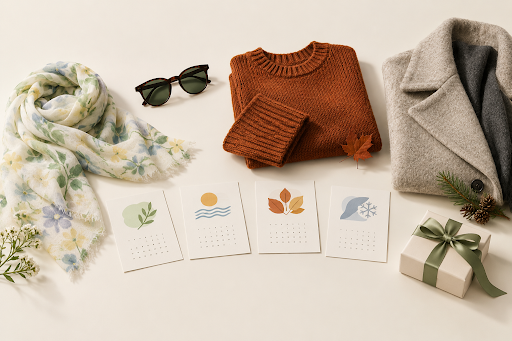
A seasonal loyalty rewards calendar helps make that happen. Instead of planning rewards as isolated promotions, brands can connect spring launches, summer essentials, autumn transitions, festive collections, and limited-edition drops to a broader customer-retention strategy.
The difference is important. A brand that offers discounts whenever a new collection arrives teaches customers to wait for deals. A brand that rewards early access, product discovery, community participation, and repeat purchases gives customers more reasons to stay engaged.
The goal is not to make customers buy something every month. It is to make the next relevant interaction with the brand feel worthwhile.
Why Seasonal Collections Need a Loyalty Strategy
Seasonal collections naturally create changes in customer demand. Someone who buys a winter jacket may not need another one for months, but that customer could return for spring layers, summer accessories, or a new collection later in the year.
The challenge is maintaining the relationship between these purchases. Three problems commonly arise when brands manage collection launches without a connected loyalty strategy.
- Launch excitement disappears: Customers engage with a new collection but have little reason to return once the initial campaign ends.
- Promotions become predictable: Repeated discounts can train shoppers to wait for lower prices rather than purchase when new styles arrive.
- Customer communication becomes disconnected: Each collection gets its own email campaign, but previous purchases and loyalty status rarely influence what customers see next.
A seasonal loyalty calendar addresses these problems by connecting collection launches to customer behaviour.
For example, a customer who buys from a spring collection could receive a relevant preview of summer arrivals later. A frequent shopper might get early access to a limited autumn drop, while a less active member could receive personalized styling recommendations instead of another generic discount.
The collection remains the reason for the campaign. Loyalty determines how the customer experiences it.
How to Turn a Collection Launch Into a Loyalty Journey
A seasonal campaign should not begin and end on launch day. Plan the customer journey around the collection’s lifecycle.
Phase 1: Before launch
Build anticipation: Share a preview with relevant members, collect style preferences, and give higher-tier customers early access where inventory allows.
Phase 2: Launch week
Encourage discovery: Offer a limited-time points multiplier on selected arrivals, highlight popular styles, and make member benefits visible on collection pages so shoppers see what they earn.
Phase 3: After purchase
Request an honest product review once the customer has worn the item, since timing review requests after delivery affects response rates.
Phase 4: Between collections
Create the next reason to return: Use relevant styling content, restock notifications, and previews of the next season rather than sending another generic discount.
The timing will differ by brand. A streetwear label with frequent product drops may compress this journey into a few weeks. A brand with two major collections per year may spread it across several months.
The principle remains the same: every stage should have a clear purpose, and not every stage needs a purchase incentive.
A Practical Seasonal Loyalty Calendar for Fashion Brands
| Campaign Period | Customer Objective | Loyalty Activation |
|---|---|---|
| Pre-season | Build anticipation | VIP previews and early access |
| Collection launch | Encourage discovery | Bonus points on selected new arrivals |
| Mid-season | Increase relevant engagement | Complete-the-look challenges |
| End of season | Manage remaining inventory | Targeted rewards on selected products |
| Festive period | Recognise loyal customers | Tier-based benefits and gifting rewards |
| Between collections | Maintain the relationship | Personalised content and upcoming-launch previews |
For a fashion brand with spring and autumn collections, this could mean running two major loyalty campaigns each year and using smaller, targeted activities to maintain engagement between them.
This is often more manageable than planning 12 separate promotions without a clear relationship between them.
How to Measure Whether the Calendar Is Working
A seasonal loyalty calendar should improve customer behaviour, not just generate campaign clicks.
Focus on four measures:
- Repeat purchase rate: Are more customers returning for another order?
- Full-price purchase share: Are customers buying new collections without waiting for discounts?
- Reward redemption: Are members using the benefits the brand provides?
- Retention across seasons: Are customers returning for subsequent collections?
Compare similar launches and, where possible, use a holdout group that does not receive the campaign. This helps establish whether the rewards influenced purchasing behaviour or simply reached customers who were already likely to buy.
Also account for returns, product margins, and the cost of rewards. Tracking repeat purchase rate and reward redemption in one dashboard makes season-to-season comparisons easier.
How Shopify Brands Can Put This Into Practice
For Shopify fashion merchants, the practical starting point is to connect the collection calendar with customer purchase history, loyalty membership, and marketing communications.
A loyalty platform such as Retenzy can support a broader retention strategy through loyalty rewards, referrals, and reviews. A loyalty platform such as Retenzy brings points, referrals and reviews into one Shopify loyalty program, so a single collection launch can trigger early access, bonus points and review requests from the same setup.
Start with one upcoming collection. Define the customer segment, choose one reward, set a campaign period, and decide which metric will determine success. Once the results are clear, apply the learning to the next launch.
Conclusion
Seasonal collections already give fashion brands natural moments to reconnect with customers. The opportunity is to make those moments part of a longer relationship rather than treating each launch as a standalone sales campaign.
By combining early access, relevant rewards, exclusive products, and personalised follow-ups, brands can give customers reasons to return that go beyond discounts.
The strongest seasonal loyalty calendar does not simply follow the fashion calendar. It connects each collection to the next meaningful customer interaction.
Frequently Asked Questions
What is a seasonal loyalty rewards calendar?
It is a planned schedule of loyalty campaigns linked to seasonal collections, product launches, shopping occasions, and customer-retention goals.
Which seasonal rewards work best for fashion brands?
Early access, bonus points, member-exclusive products, VIP experiences, and relevant category rewards are useful options. The right choice depends on the brand’s positioning, inventory, and customer behaviour.
Should every collection launch include a loyalty promotion?
No. Some launches may benefit from early access or exclusive content rather than a points multiplier or discount. Rewards should have a clear purpose and should not become so frequent that customers stop valuing them.
How can seasonal collections encourage repeat purchases?
Brands can use purchase history to recommend relevant new arrivals, offer benefits to returning customers, and introduce the next collection at an appropriate time. Results should be evaluated across comparable customer groups and seasons.
Add points, referrals, and VIP rewards to your Shopify store in under 5 minutes.