
8 Checkout Friction Points That Can Lower Average Order Value
Ecommerce teams obsess over checkout conversion, but average order value quietly takes the hit. Shoppers don’t just abandon carts; they shrink them, removing items after a surprise shipping fee or a forced account signup. This piece walks through eight common friction points, from poorly timed upsells to confusing coupon fields, and how to fix them without derailing conversion.
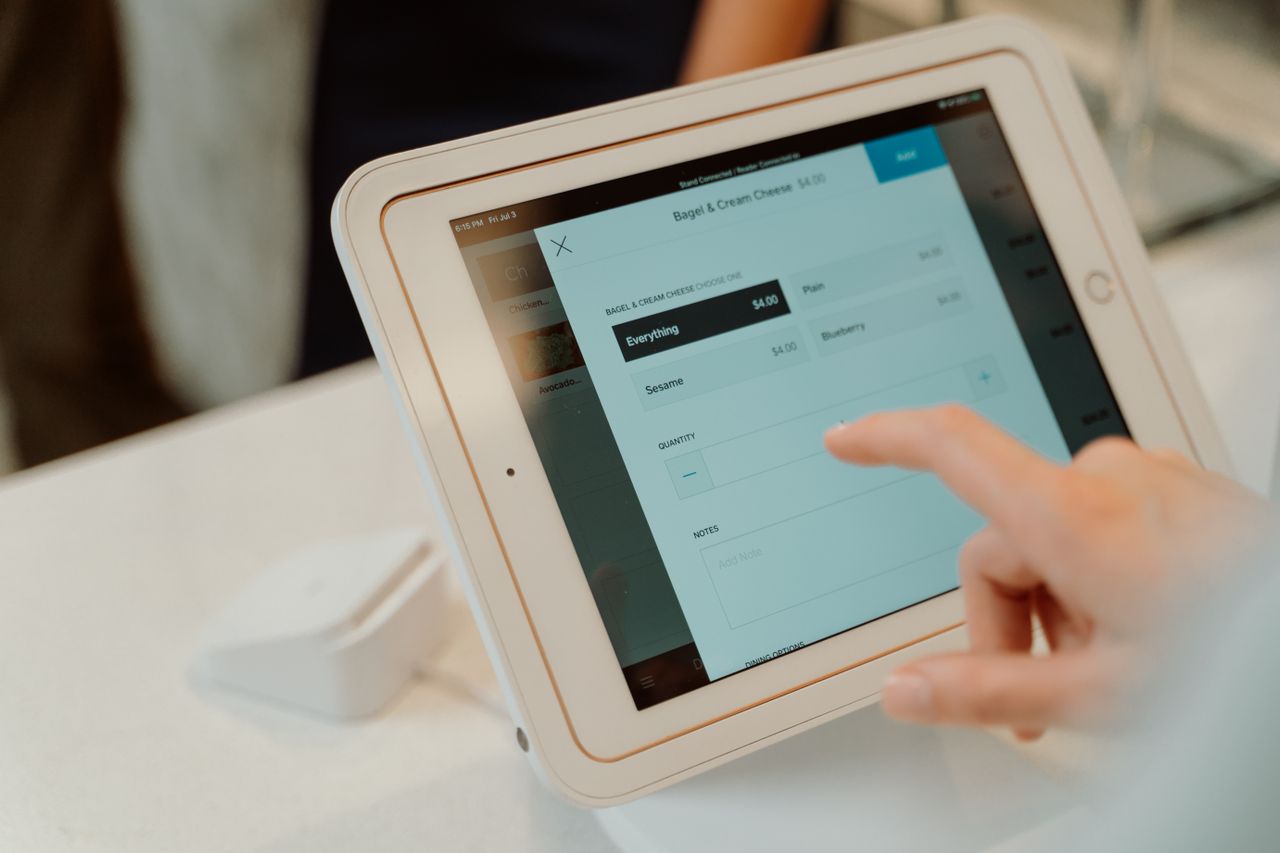
A checkout should make it easy for customers to complete a purchase, not give them reasons to rethink it.
Many ecommerce teams focus on checkout conversion, but average order value (AOV) deserves attention too. A shopper can enter checkout with a large basket and still reduce the order, abandon an item, or leave altogether after encountering unexpected costs, confusing options, or unnecessary steps.
This is where checkout friction matters.
Baymard’s latest research puts average documented ecommerce cart abandonment at 70.22%. Among US shoppers who abandoned for reasons other than simply browsing or not being ready to buy, 40% cited extra costs such as shipping, taxes, or fees; 18% cited being required to create an account; 17% cited a checkout that was too long or complicated; and 9% cited insufficient payment methods.
These findings don’t mean every abandoned cart is caused by poor UX. Some shoppers are comparing prices, browsing, or simply changing their minds. But they show why reducing avoidable checkout process friction points deserves a place in an ecommerce optimization strategy.
The important distinction is this:
Checkout optimization isn’t about removing every element from the buying journey. It’s about removing unnecessary resistance while preserving useful opportunities to increase basket value.
What Is Checkout Friction?
Checkout friction is anything that makes the purchasing process unnecessarily difficult, slow, confusing, or uncertain. Some steps are necessary. Customers need to provide delivery information, choose a payment method, and confirm their order. The problem occurs when the process asks customers to do more than is necessary or presents important information too late.
Common checkout process friction points include:
- Unexpected shipping fees
- Forced account creation
- Excessive form fields
- Limited payment options
- Poor mobile experiences
- Difficult coupon processes
- Confusing order summaries
- Unexpected costs
- Payment errors
- Poorly timed upsells
Baymard’s research shows that several of these issues are directly associated with checkout abandonment, particularly unexpected costs, account creation, complicated checkout flows, and payment limitations. But checkout friction can also affect the composition of the order.
For example, a shopper who sees an unexpected shipping charge may remove an item to reduce the total. A shopper who never sees a relevant complementary product may simply complete a smaller order.
That makes checkout and the cart part of the broader AOV optimization conversation.
Auditing 8 Critical Friction Points in Your Checkout
1. Showing Checkout Upsells Too Late
One of the most common ecommerce mistakes is assuming that the final checkout screen is the best place to introduce additional products. Often, it isn’t. By the time customers reach payment, their primary goal has shifted from product discovery to transaction completion. A poorly timed recommendation can therefore become another distraction.
This is especially relevant to checkout upsell friction.
The cart or cart drawer can provide a better opportunity to introduce complementary products because the customer is still reviewing their purchase.
The recommendation should have a clear relationship with what the shopper has already selected.
Where cart drawer cross-sells fit
Cart drawer cross-sells can help customers discover complementary products before they enter the final payment flow.
As the customer gets closer to payment, recommendations should become more selective. The objective isn’t to show more offers. It’s to show more relevant offers.
What to measure
When testing cross-sells, monitor:
- AOV
- Items per order
- Cross-sell acceptance rate
- Conversion rate
- Checkout abandonment
- Revenue per session
A cross-sell that increases AOV but causes a meaningful decline in conversion may not be a successful optimization.
2. Unexpected Shipping Fees Can Reduce Basket Value
Unexpected costs are one of the clearest checkout friction problems identified in current research. The problem isn’t necessarily the existence of a shipping fee. It is the surprise.
Imagine a customer builds a ₹2,000 basket. At checkout, they discover:
Shipping: ₹250
The customer now has a new decision to make.
They might:
- Continue with the purchase
- Remove an item
- Search for a discount
- Look for another retailer
- Abandon the purchase
The right response is not to hide shipping costs. It’s to make the economics of the purchase clear earlier.
Use a Free Shipping Threshold Bar
A free shipping threshold bar can communicate the relationship between basket value and shipping benefits.
For example:
“Add ₹300 more to unlock free shipping.”
This gives the customer useful information before the final payment stage. However, a threshold should be based on actual business economics. It should consider:
- Average order value
- Gross margin
- Shipping cost
- Product mix
- Customer behavior
- Existing free-shipping policies
The objective isn’t to make customers spend unnecessarily. It is to make an existing incentive easier to understand.
3. Forced Account Creation Interrupts Purchase Intent
A customer reaches checkout, enters their information, and then sees:
“Create an account to continue.”
That can add friction at exactly the point where the customer wants to finish the transaction. Latest research reports that 18% of surveyed US shoppers who abandoned for reasons other than simply browsing said the site wanted them to create an account. Checkout research also recommends making guest checkout prominent rather than hiding it behind account-registration flows.
Offer guest checkout
For first-time customers, let the transaction happen first. Then offer account creation after purchase. For example:
“Want faster checkout next time? Create an account using your order details.”
This changes the sequence from:
Account → Checkout → Payment
to:
Checkout → Payment → Account
The second approach removes an obstacle while still giving the customer an opportunity to create an account.
Why this matters for ecommerce optimization
Account creation isn’t inherently bad. The issue is forcing customers to make a secondary decision before completing the primary task. For many stores, guest checkout should be the default path for customers who don’t already have an account.
4. Too Many Checkout Fields Increase Purchase Effort
Every additional checkout field requires some combination of reading, typing, selecting, correcting, and reviewing. This becomes particularly important on mobile devices.
Common problems include:
- Asking for non-essential information
- Repeating information
- Poor address forms
- Difficult dropdown menus
- Unclear validation errors
- Poor autofill support
- Long mobile forms
Audit every checkout field
Ask:
“Do we need this information to complete or fulfill the order?”
If the answer is no, remove it. If you need the information later, consider collecting it after purchase. For necessary information, make entry easier through:
- Address autocomplete
- Browser autofill
- Appropriate mobile keyboards
- Clear labels
- Inline validation
- Specific error messages
- Automatic formatting
The goal isn’t simply the shortest possible checkout. The goal is the lowest necessary effort.
5. Limited Payment Gateway Options Create Checkout Friction
A customer can be ready to buy and still stop if their preferred payment method isn’t available.
The appropriate payment gateway options depend on your market. Depending on location and audience, customers may expect:
- Credit and debit cards
- Digital wallets
- UPI
- Bank-based payment methods
- Buy now, pay later
- Local payment methods
But adding every possible payment option isn’t automatically better. Too many choices can make the interface harder to scan.
Use transaction data to decide
Review:
- Payment-method usage
- Payment failures
- Payment abandonment
- Device behavior
- Geographic differences
- Customer segments
Then prioritize the payment methods that matter most to your audience.
Make the final amount clear
Payment friction also includes uncertainty about the amount being charged. Before payment, customers should be able to see:
- Product subtotal
- Shipping
- Discounts
- Taxes, where applicable
- Final amount
Customers shouldn’t need to calculate the total themselves.
6. Poor Mobile Checkout Optimization Can Hurt the Shopping Experience
Mobile checkout is not simply a smaller version of desktop checkout. Customers are working with:
- A smaller screen
- Touch input
- Mobile keyboards
- Less visible information
- More scrolling
- Different payment behaviors
That’s why mobile checkout optimization should be part of every ecommerce checkout audit. Look for:
- Small tap targets
- Long forms
- Excessive scrolling
- Slow page loads
- Difficult dropdowns
- Poor keyboard behavior
- Hidden order information
- Unclear error messages
- Difficult coupon fields
- CTAs that are hard to reach
Make the next action obvious
A clean mobile flow might look like:
Review order → Enter essential details → Choose payment → Complete purchase
Where appropriate, accelerated payment methods such as one-click checkout can reduce repetitive data entry, particularly for returning customers. But don’t assume that a faster checkout automatically produces a higher AOV. Test it. Measure:
- Conversion rate
- AOV
- Items per order
- Checkout completion
- Payment failures
- Repeat purchase behavior
An optimization should be evaluated against the business outcome you are trying to improve.
7. Coupon Hunting Creates Another Layer of Checkout Friction
A coupon field can be useful. But making it visually dominant can also encourage shoppers to leave checkout and search for a better deal. The thought process can become:
“There is a coupon box. Maybe I should find a code.”
The customer leaves. They search elsewhere. They may find another offer—or they may never return. This is one potential form of cart abandonment checkout friction. Apply eligible discounts automatically. If a customer already qualifies for a promotion, automatically applying it can remove unnecessary work.
Instead of:
“Enter promo code”
show:
“10% discount applied.”
The same principle can apply to loyalty rewards. If a customer has an available reward, make the value visible within the shopping journey instead of requiring them to remember or manually enter a code.
Don’t optimize discounts separately from AOV
A blanket discount can increase conversion while reducing revenue per order or margin.
For example:
10% off everything
is very different economically from:
Spend ₹2,000 and receive ₹200 off.
Which one works better depends on your margins and customer behavior. The important principle is: Evaluate promotions using conversion, AOV, margin, and incremental revenue, not conversion alone.
8. Checkout Gives Customers No Useful Reason to Increase Their Basket
Removing friction is only half of the AOV equation. The other half is helping customers recognize when another product genuinely makes sense. Suppose a customer has a ₹1,700 cart and free shipping begins at ₹2,000. The store could communicate:
“You’re ₹300 away from free shipping.”
Then show a small number of relevant products that cost around that amount. Now the shopper understands:
- What the benefit is
- How much more they need to spend
- Which products could help them reach the threshold
That is fundamentally different from presenting a random “You may also like” module.
Useful AOV prompts
Examples include:
- “Add ₹300 more to unlock free shipping.”
- “Complete your routine with…”
- “Frequently purchased with your item.”
- “Add a refill for your next order.”
- “Customers buying this also choose…”
The goal is not to pressure customers into buying more. It is to make relevant options easier to discover.
How Retention Can Support Higher-Value Customer Journeys
Checkout optimization focuses primarily on the current transaction. Retention strategies focus on what happens afterward. For example, a loyalty program can give customers another reason to return. Reviews and referrals can extend post-purchase engagement. Milestones and rewards can create additional reasons to interact with a brand. But these elements don’t all belong inside checkout.
A better lifecycle might be:
- Customer discovers a product.
- Relevant products help build the basket.
- Shipping benefits are clearly communicated.
- Customer completes a frictionless checkout.
- Customer earns loyalty value.
- The brand follows up with relevant post-purchase communication.
- The customer returns for another purchase.
This connects AOV and retention without turning checkout into a crowded sales page.
Final Takeaway: Fix Friction Before Adding More Sales Tactics
Checkout friction can hurt the buying experience and contribute to lost conversions or lower basket value. Unexpected costs can cause shoppers to reconsider their purchase. Forced account creation can interrupt purchase intent. Long forms can increase effort. Limited payment methods can prevent completion. Poor mobile experiences can make checkout harder to navigate. Poorly timed upsells can turn potentially useful recommendations into distractions.
The answer isn’t to remove every interaction. It’s to understand which interactions create value and which create resistance. Use cart drawer cross-sells before checkout. Communicate shipping costs and thresholds early. Simplify forms. Offer relevant payment gateway options. Improve mobile checkout optimization. Use one-click checkout when it genuinely reduces effort. Apply eligible discounts automatically where appropriate.
And most importantly, don’t measure checkout only by:
“Did they buy?”
Also ask:
“What did they buy?”
“What did they remove?”
“Where did basket value change?”
“Where did customers drop out?”
“Which change improved the experience without hurting conversion?”
That shift turns e-commerce checkout optimization from a narrow conversion exercise into a broader strategy for improving customer experience, AOV, revenue, and long-term customer value.
Frequently Asked Questions About Checkout Friction
How can checkout friction affect average order value?
Checkout friction can contribute to lower basket value when shoppers remove products after encountering unexpected costs, experience payment problems, or don’t discover relevant complementary products. However, the effect on AOV varies by business and should be measured using first-party data rather than assumed.
What are the most common checkout friction points?
Current Baymard research identifies extra costs, forced account creation, complicated checkout processes, website errors, delivery concerns, payment problems, and insufficient payment methods among the reasons shoppers abandon purchases.
How can cart drawer cross-sells increase AOV?
Cart drawer cross-sells can help customers discover complementary products while they are still reviewing their basket. Their effectiveness depends on product relevance, placement, pricing, and the impact on conversion.
Does forced account creation increase cart abandonment?
Forced account creation is associated with checkout abandonment in Baymard’s research. Its latest data reports that 18% of surveyed US shoppers who abandoned for reasons other than simply browsing cited being required to create an account..
What is mobile checkout optimization?
Mobile checkout optimization means designing the checkout experience specifically for smartphone users. It can include shorter forms, mobile-friendly inputs, clear CTAs, faster loading, appropriate payment options, autofill support, and easier error recovery.
How can ecommerce brands reduce checkout friction?
Start by identifying where shoppers drop out. Then investigate the cause using analytics, usability testing, customer feedback, and session-level behavior. Common improvements include transparent costs, guest checkout, fewer unnecessary fields, relevant payment methods, better mobile UX, clearer error handling, and more appropriate placement of cross-sells.
Is checkout optimization only about increasing conversion rate?
No. Checkout optimization can affect conversion, AOV, items per order, customer experience, and potentially longer-term customer value. The appropriate metrics depend on the business objective, so changes should be evaluated across the entire funnel.
Add points, referrals, and VIP rewards to your Shopify store in under 5 minutes.