
How Fast Fashion Trends Are Changing Customer Loyalty Expectations
Fast-moving trends have shifted consumer focus from brand devotion to product-level interest. To maintain customer loyalty, fashion retailers must balance product freshness with reliable quality, simple returns, and personalized experiences, using structured reward programs that offer early access and relevant perks beyond standard price discounts.
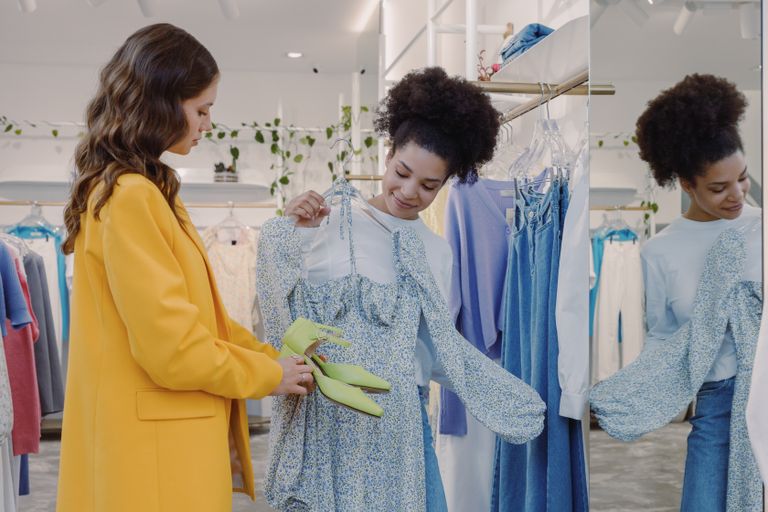
- Customers Expect Brands to Keep Up With Changing Trends
- Brand Loyalty Is Giving Way to Product-Level Loyalty
- Price Sensitivity Is Changing What Loyalty Means
- Personalisation Is Becoming a Loyalty Expectation
- Customers Expect More Than Points and Discounts
- Social Media Has Made Loyalty More Dynamic
- Convenient Shopping and Easy Returns Matter More Than Ever
- Real-World Lessons
- How Fashion Brands Can Build a Loyalty Program That Adapts to Fast-Changing Trends
- Conclusion
Fashion trends no longer follow a predictable seasonal calendar. A style can become popular on social media, sell out within days, and lose its appeal just as quickly when the next trend takes over. For fashion and apparel brands, this rapid cycle has changed how customers discover products, decide what to buy, and choose which brands deserve their continued attention.
The impact goes beyond product demand. Fast fashion is changing what customers expect from their favourite brands, including faster trend discovery, better value for money, personalised shopping experiences, and more reasons to return.
This creates a difficult challenge for fashion retailers. Customers may love a brand’s latest collection without feeling any particular attachment to the brand itself. They can discover a similar product elsewhere, compare prices instantly, and move on before the original retailer has a chance to build a lasting relationship.
For apparel businesses, the message is clear: attracting customers with trending products is only the beginning. The bigger challenge is giving them compelling reasons to return after the trend changes.
Let’s explore how fast fashion is reshaping customer loyalty expectations and what fashion brands can do to build stronger, longer-lasting customer relationships.
Customers Expect Brands to Keep Up With Changing Trends
In traditional fashion retail, customers often planned purchases around seasonal collections, special occasions, and major wardrobe updates. Today, social media, creator recommendations, and short-lived online trends can influence buying decisions throughout the year. Customers might discover a particular silhouette on Instagram, see a styling video on TikTok, and start looking for similar pieces the same day. If a brand takes too long to respond to that interest, shoppers can easily find alternatives.
This has changed the relationship between product freshness and customer loyalty.
Customers increasingly expect fashion brands to offer relevant styles, introduce new collections regularly, and make it easy to discover products that match their current preferences. However, keeping up with trends does not necessarily mean customers will remain loyal. A shopper may return repeatedly for new styles while having little attachment to the retailer itself.
What fashion brands should do?
Rather than chasing every viral trend, brands should identify the styles, colours, categories, and customer preferences most relevant to their audiences.
For example, an online apparel store could use browsing behaviour and purchase history to identify customers interested in oversized shirts, casual dresses, or seasonal accessories. When relevant products arrive, the store can send targeted updates instead of promoting every new collection to everyone.
Loyalty programs can strengthen this approach by rewarding customers for repeat purchases across collections rather than relying exclusively on a single product launch.
The goal is to become a customer’s preferred place to discover new styles, not simply another store selling the latest trend.
Brand Loyalty Is Giving Way to Product-Level Loyalty
One of the biggest challenges for fashion retailers is that customers can like a product without being loyal to its brand.
A shopper might purchase a jacket from one retailer, trainers from another, and a dress from a third. Each purchase is driven by a specific need, style preference, price, or recommendation.
Fast fashion and online shopping make this behaviour easier. Customers have access to numerous alternatives, while social media continually introduces them to unfamiliar brands. For retailers, this means a successful first purchase does not automatically create a loyal customer.
How to turn product interest into brand loyalty
Fashion brands need to give customers reasons to return beyond the appeal of an individual item.
These reasons can include:
- Consistent product quality: Customers should feel confident that future purchases will meet their expectations.
- A recognisable brand identity: Styling advice, product curation, and a distinctive aesthetic can make a store easier to remember.
- Relevant rewards: Points, store credit, or exclusive benefits can give customers an additional reason to shop again.
- A personalised experience: Recommendations based on previous purchases can help customers discover products that fit their preferences.
- Reliable service: Clear delivery information, convenient returns, and responsive support help build trust.
A loyalty program can connect these elements by rewarding customers for their continued relationship with the brand.
For example, an apparel retailer could award points on eligible purchases and let customers redeem them against future orders. Members could also receive early access to selected collections or personalised product recommendations.
The important distinction is that rewards should reinforce a positive shopping experience, not compensate for an inconsistent one.
Price Sensitivity Is Changing What Loyalty Means
Fast fashion has accustomed many shoppers to a broad range of affordable styles. As a result, fashion retailers face pressure to offer competitive prices while maintaining product quality and profitability.
Customers may appreciate a brand but still switch to a competitor when they find a similar item at a lower price. Others may delay purchases until a sale begins, especially when they expect regular discounts.
This creates a problem for brands that rely heavily on promotions to encourage repeat purchases.
If customers return only when prices fall, the retailer may generate repeat orders without building meaningful loyalty. Frequent discounts can also reduce margins and teach customers to wait for the next promotion.
How loyalty programs can help
Instead of offering discounts to every shopper, brands can use loyalty programs to provide benefits that reflect customer preferences and purchasing behaviour.
For example, a fashion retailer might offer:
- Points that can be redeemed on future purchases.
- Birthday rewards or member-only benefits.
- Early access to new collections.
- Exclusive offers for customers who regularly shop within a particular category.
- Rewards for reaching meaningful spending or engagement milestones.
These benefits can make returning more attractive without requiring the brand to reduce prices on every order.
However, rewards must feel achievable and useful. A complicated program with unclear earning rules or limited redemption opportunities may create frustration rather than loyalty.
The strongest fashion loyalty strategy combines competitive value with reasons to choose the brand even when another retailer offers a similar product.
Personalisation Is Becoming a Loyalty Expectation
Fast fashion gives customers more choices, but a larger selection can also make shopping overwhelming. A customer looking for everyday clothing may have to navigate hundreds of products, multiple collections, and frequent new arrivals. Showing every customer the same products and promotions does little to help them find what they actually want.
Personalisation makes the experience more relevant.
For example, a shopper who frequently buys workwear may appreciate recommendations for coordinating trousers, shirts, and accessories. Someone who regularly purchases casual dresses may prefer updates about new arrivals in that category.
When recommendations reflect actual preferences, customers have fewer irrelevant products to sift through and more reasons to revisit the store.
How to personalise the fashion shopping experience
Fashion brands can use customer data, where appropriately collected and used, to improve the shopping journey.
Useful approaches include:
- Personalised product recommendations: Suggest items based on browsing behaviour, purchase history, and stated preferences.
- Relevant collection updates: Notify customers about new arrivals in categories they have shown interest in.
- Targeted rewards: Offer benefits that reflect shopping frequency, preferred categories, or loyalty status.
- Post-purchase communication: Share styling suggestions, complementary products, and useful care information.
- Preference-based emails: Let customers choose which collections, product categories, and updates they want to receive.
Loyalty programs can help organise these interactions by connecting purchase history, reward activity, and customer preferences.
For Shopify fashion brands, this can create a more connected experience across email campaigns, on-site recommendations, and loyalty communications.
The key is relevance. Customers should receive fewer generic messages and more useful updates that reflect their interests.
Customers Expect More Than Points and Discounts
Points-based rewards remain useful, but they are not the only way to encourage loyalty.
Fashion is closely connected to personal identity, self-expression, and social belonging. Customers may choose a brand because its styling reflects their personality, its community inspires them, or its products fit the lifestyle they want to express. This creates an opportunity for fashion brands to build loyalty around experiences rather than transactions alone.
For example, a retailer could give loyalty members early access to a limited collection, invite them to participate in a styling event, or let them vote on selected colours for an upcoming product range.
These experiences can make customers feel involved in the brand rather than treated simply as buyers.
Loyalty ideas beyond discounts
Fashion retailers can experiment with several approaches:
Exclusive collection access: Let members shop selected launches before they become available to everyone.
Styling content: Share outfit combinations, wardrobe guides, and seasonal styling inspiration based on customers’ interests.
Community participation: Invite customers to share their outfits, submit styling ideas, or participate in brand-led campaigns.
Milestone recognition: Acknowledge repeat purchases or membership anniversaries with relevant benefits.
Referral rewards: Reward customers who recommend the brand to friends, subject to clear program rules.
These initiatives are particularly useful for brands with a distinctive aesthetic or a strong community identity.
They also give customers something different from the experience offered by a retailer competing primarily on price.
Nevertheless, exclusive experiences should complement good products and service. They cannot replace them.
Social media has changed the way fashion customers discover products and interact with brands.
A creator’s outfit video, a styling challenge, or a customer review can generate interest in a product almost instantly. At the same time, customers are exposed to competing brands and new styles throughout their daily browsing.
This creates a more fragmented customer journey. A shopper might discover a product on social media, compare alternatives on a marketplace, visit a brand’s website, and complete the purchase days later.
According to Deloitte’s research on the future of fashion retail, younger consumers increasingly participate in fashion discovery through creator content and social platforms. Their path to purchase is becoming less linear and more influenced by ongoing digital interactions.
For brands, this means customer loyalty cannot be built exclusively through email newsletters or post-purchase promotions.
Convenient Shopping and Easy Returns Matter More Than Ever
Fast-moving trends can encourage customers to make quick purchase decisions, but convenience often determines whether they return to the same retailer.
Imagine a customer ordering a dress for an upcoming event. The product arrives late, the sizing is inconsistent, or the return process becomes unnecessarily complicated. Even if the customer liked the design, the experience may push them towards another store next time.
This is why customer loyalty depends on much more than attractive products and engaging marketing.
Customers remain loyal to their current brands because of seamless return and refund experiences and value for money. The report also highlights the importance of product quality, reasonable pricing, and responsive customer support.
For fashion ecommerce brands, these findings reinforce a simple principle: customers need confidence that shopping with the brand will be worth their time and money.
Practical ways to improve the experience
Fashion retailers should prioritise:
- Accurate product information: Provide clear size charts, garment measurements, fabric details, and product images.
- Reliable fulfilment: Keep delivery estimates realistic and communicate delays proactively.
- Convenient returns: Make eligibility, refund timelines, and return instructions easy to understand.
- Responsive support: Resolve order, sizing, and refund issues without unnecessary back-and-forth.
- Connected shopping experiences: Where possible, make customer service and order information accessible across online and offline channels.
Loyalty benefits can complement these improvements. For example, a brand could provide members with convenient access to order information or exclusive customer support, provided the benefits are operationally feasible.
However, basic service quality should not be reserved for loyalty members. Every customer should receive a reliable shopping experience.
A loyalty program can encourage another purchase, but a frustrating return experience can undo the goodwill created by rewards.
Real-World Lessons: What Fashion Brands Can Learn From Changing Expectations
Fashion brands have different business models, audiences, and approaches to customer relationships. Nevertheless, several established retailers offer useful lessons for businesses adapting to changing loyalty expectations.
Zara: Product Freshness Is Not the Whole Relationship
Zara has built its identity around trend-responsive fashion, frequent product updates, and a shopping experience that connects physical stores with digital channels.
Its model illustrates the appeal of fresh assortments: customers have reasons to revisit a retailer to see what has arrived. However, frequent newness alone does not guarantee that customers will remain loyal when competitors offer similar styles.
Lesson for fashion brands: Use new arrivals to generate interest, but build retention around consistent product quality, a recognisable aesthetic, convenient shopping, and relevant customer experiences.
A smaller apparel retailer does not need Zara’s scale to apply this principle. It can curate new arrivals around a clearly defined audience and communicate those arrivals to customers who have demonstrated interest in similar products.
H&M: Make Membership Part of the Shopping Experience
H&M offers a useful example of a retailer using a membership-based approach to customer engagement.
Its H&M Membership program illustrates how a fashion retailer can connect shopping activity with member benefits, offers, and other experiences. The specific benefits and terms can vary by market.
Lesson for fashion brands: Membership should offer a clear reason to participate beyond receiving promotional emails.
A Shopify apparel store could create a similar structure with purchase-based rewards, early access to selected collections, and benefits that reflect customers’ interests. The program should be straightforward enough that customers understand its value without having to study complicated rules.
Myntra: Discovery and Personalisation Work Together
Myntra offers a relevant example for India’s fashion ecommerce market, where customers can explore products across brands, styles, categories, and price points.
In a multi-brand environment, retailers must help shoppers discover relevant products while reducing the effort required to compare options.
Lesson for fashion brands: Product discovery should connect with the broader customer experience.
An apparel store can apply this principle by organising collections around customer needs, improving product recommendations, and using browsing and purchase signals to make follow-up communications more relevant.
The common thread across these examples is that customer loyalty is influenced by the complete shopping experience, not just the latest collection or the reward offered after checkout.
Note: These examples illustrate different approaches to retail and customer engagement; they should not be interpreted as proof that any single tactic independently causes higher customer retention.
How Fashion Brands Can Build a Loyalty Program That Adapts to Fast-Changing Trends
A traditional points program can encourage repeat purchases, but fashion retailers may need a more flexible approach to address rapidly changing customer preferences.
The most effective program depends on the brand’s product range, purchasing frequency, margins, and customer behaviour.
Here are three practical ways to design a program that supports long-term loyalty.
1. Reward Repeat Purchases Across Collections
Fashion customers may move between categories as their needs change.
A customer who first buys a T-shirt might later need jeans, outerwear, footwear, or accessories. A loyalty program can encourage customers to explore more of the brand’s range by awarding points on eligible purchases across categories.
For example, a store could award points for every eligible order and allow customers to redeem accumulated points against a future purchase.
The program should have clear earning and redemption rules, with rewards that remain financially sustainable for the business.
2. Offer Early Access to Selected Collections
Early access can create a sense of exclusivity without requiring a discount on every purchase.
Fashion brands can give eligible members advance access to selected launches, limited collections, or seasonal products.
This works best when early access offers genuine value. Giving members priority access to products they want is more meaningful than providing an exclusive benefit that rarely matches their interests.
3. Personalise Rewards Around Customer Preferences
Not every customer shops for the same reason.
Some buy workwear, others prefer casual clothing, and some return mainly for footwear or accessories.
Where sufficient customer data is available, brands can tailor communications and selected benefits to these preferences. A customer interested in new footwear, for instance, may appreciate relevant product updates more than a generic offer for formal clothing.
Personalisation should remain transparent, respect customer privacy, and avoid sending excessive messages.
Conclusion
Fast fashion has changed the pace of product discovery, increased competition for customer attention, and made switching between brands easier. Customers can explore new styles quickly, compare alternatives, and move to another retailer when the experience or value no longer meets their expectations.
For fashion and apparel brands, this does not mean customer loyalty is disappearing. It means loyalty must be earned differently.
Keeping up with relevant trends remains important, but it is not enough. Customers also expect dependable quality, reasonable value, personalised discovery, convenient shopping, and benefits that make their relationship with a brand worthwhile. A well-designed loyalty program can bring these elements together. By rewarding repeat purchases, offering relevant member benefits, personalising communications, and learning from customer feedback, fashion retailers can create stronger reasons for customers to return.
The brands best positioned to build lasting loyalty will not necessarily be those that follow every trend the fastest. They will be the ones that understand what their customers value, deliver it consistently, and give shoppers a compelling reason to choose them even when the next trend arrives. For Shopify fashion brands, that is the real opportunity: turning short-term interest in trending products into long-term customer relationships.
Add points, referrals, and VIP rewards to your Shopify store in under 5 minutes.

Social Media Has Made Loyalty More Dynamic